


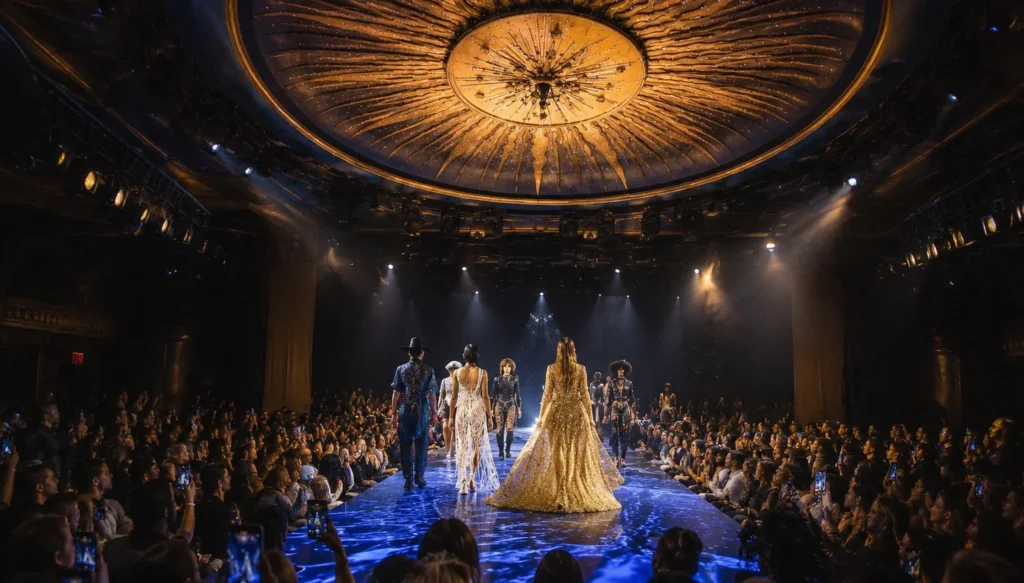
Fern Mallis built the modern New York Fashion Week. In the 1990s she took a scattered mess of showroom appointments and turned it into the centralized, tented event the industry still runs on. This September she accepts a Lifetime Achievement honor at a fashion week show where any member of the public can buy a seat, which would have sounded strange in the tents era. It sounds normal now, partly because of platforms like the one honoring her.

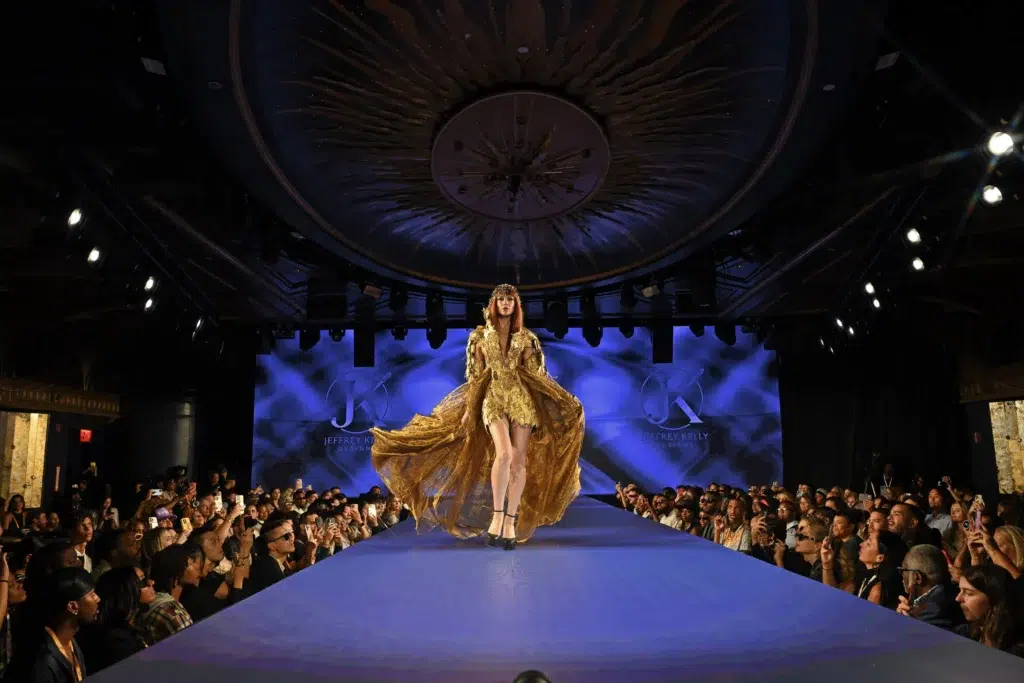
The platform is Runway 7, back for an 11th season from September 8 through 13, 2026 at Sony Hall in Midtown. The Mallis honor happens on opening night, Tuesday the 8th, as part of Elysian’s fourth annual CatWalk FurBaby, a presentation that mixes fashion with animal advocacy under this year’s theme, Women Inspiring Women. Special guests announced for the evening include Consuelo Vanderbilt Costin, Nicole Miller and Marc Bouwer.
The Season Starts Before the Official Calendar Wakes Up
The CFDA’s official week does not begin until September 10, when Henry Zankov debuts as artistic director of Diane von Furstenberg, with Thom Browne closing things on the 15th and Ralph Lauren showing on the eve of it all. Runway 7 will have run two full days of programming by the time any of that starts.

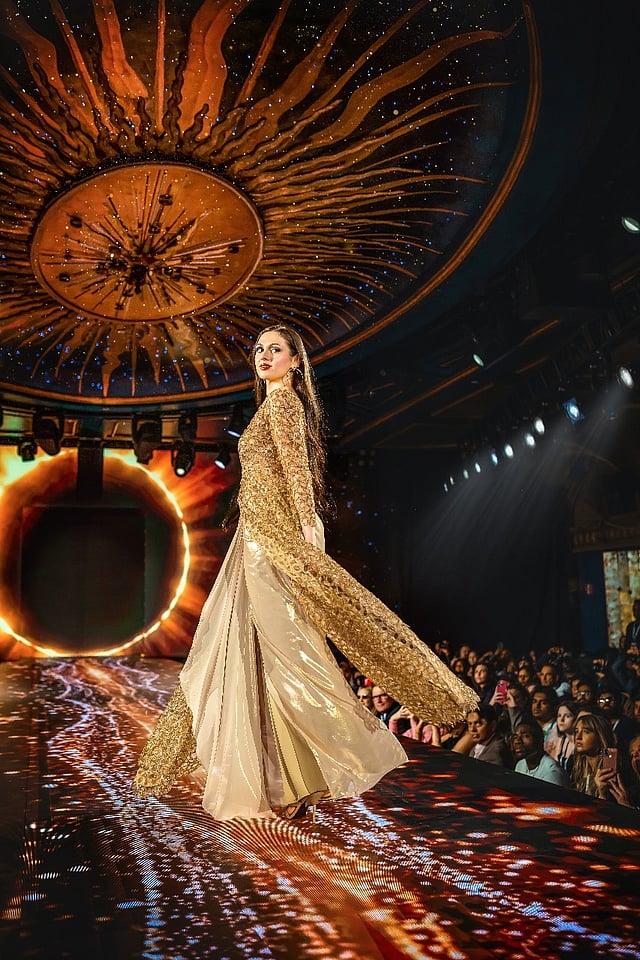
The head start suits what the platform is. Official-calendar shows run on invitations. Runway 7 sells tickets, which for over a decade has made it one of the few parts of New York’s fashion week a person can simply decide to attend. Seats go from standard up through VIP tiers, and one warning belongs right here rather than in fine print: tickets are non-refundable once purchased, so the show gets chosen before the seat does.
What 138 Designers From 20 Countries Actually Covers
Season 11 is the platform’s biggest, 138 designers and brands out of 20 countries and territories across the six days. Last September’s edition ran a hundred-odd designers from sixteen countries. Growing by a third in a year while holding the same venue says the model is working.
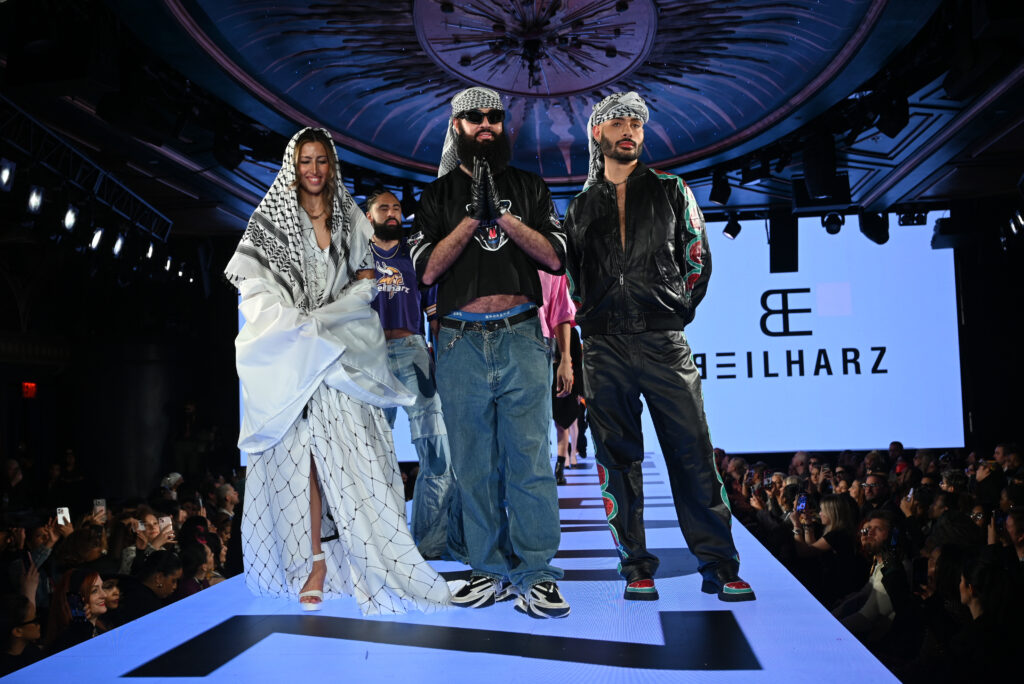
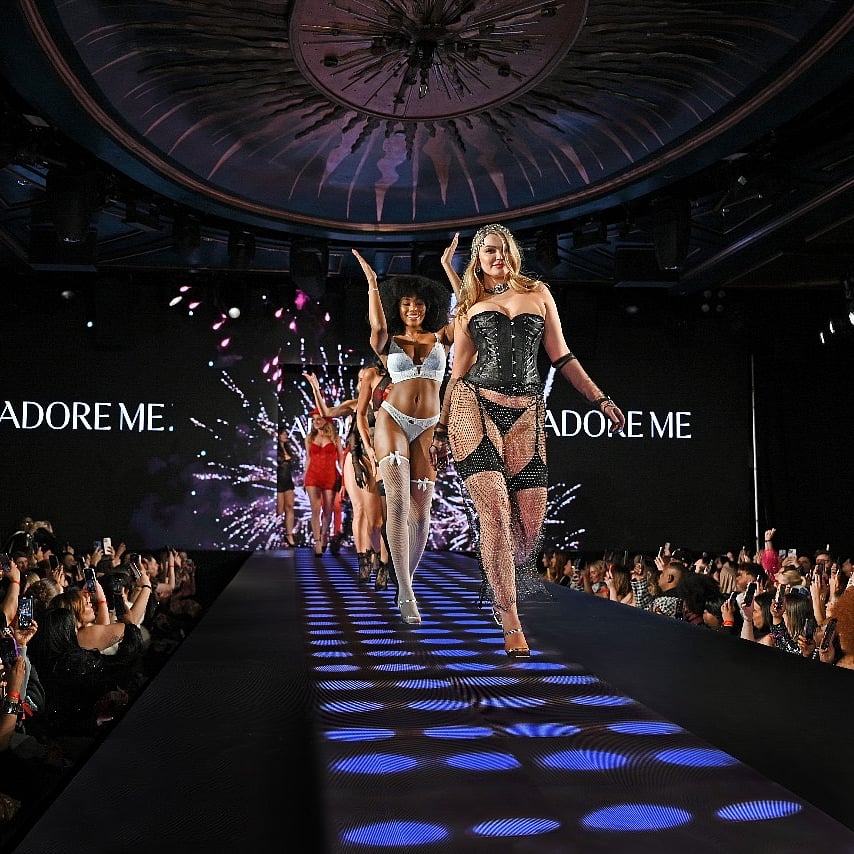
The range is the point more than the count. Swim labels share the schedule with couture. Bridal sits near streetwear. The opening presentation alone spans Victor de Souza, Anne Fontaine and Marc Bouwer Studio alongside names like D’Marsh Couture, Mazarura and the Houston nonprofit Magpies & Peacocks, with a L’Agence collaboration with Cate Brown in the same lineup. Later in the week come labels as different from each other as Momma Boss Swim, Veritée Hill, Alejandro de los Reyes, CHICK New York, Andre Soriano, Randhawa Brands and Jesse Lee Designs.


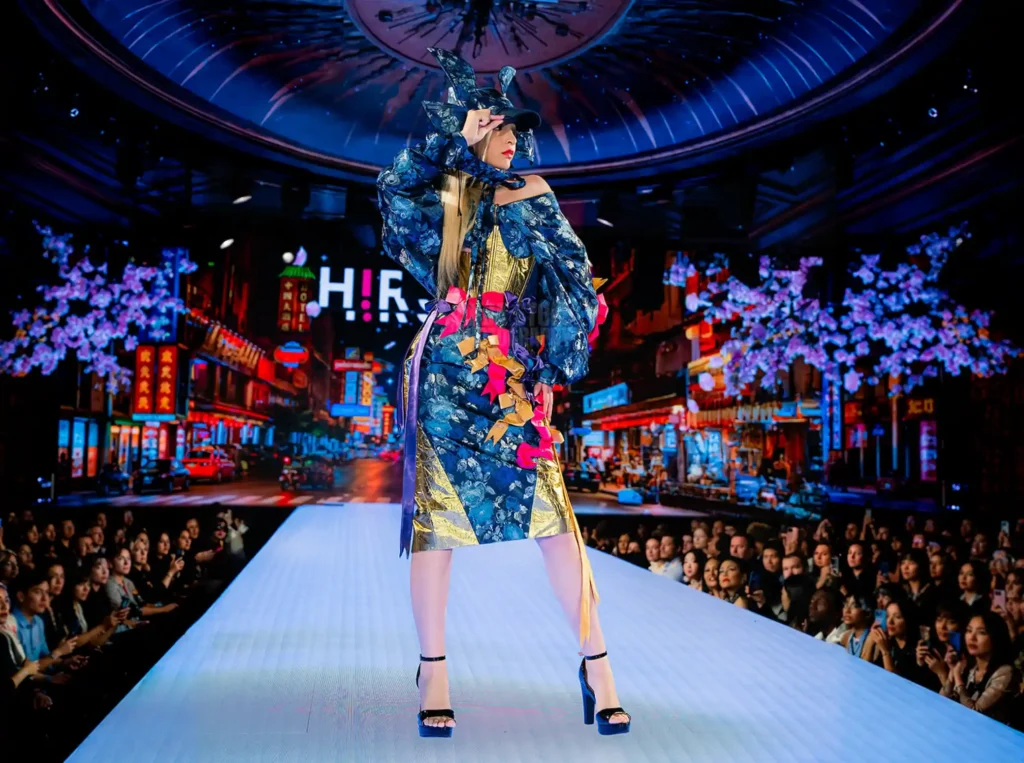
One presentation stands apart from the rest of the schedule in intent. HIV Unwrapped stages a private show built around HIV research and the voices of people living with the condition. Advocacy programming inside a commercial fashion week is easy to do badly. The organizers have framed this season around the stories behind the collections, and the past editions give that framing more credibility than press language usually earns on its own.


Sony Hall Does Half the Staging Work
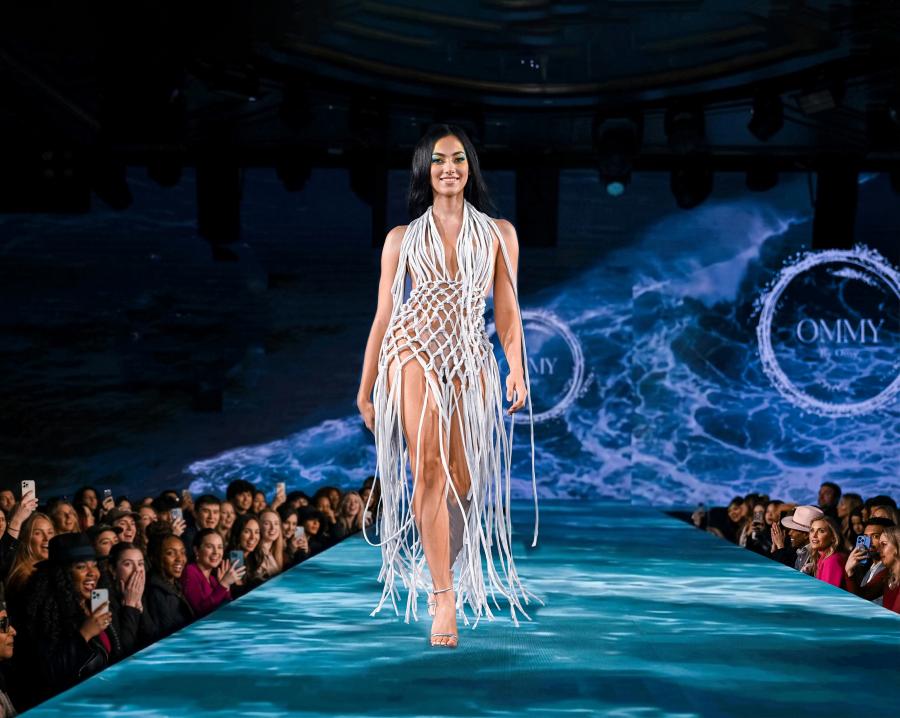
The venue has become inseparable from the platform. A sunburst dome hangs over the room like permanent set dressing. The runway floor is an LED surface that gets redressed per show, an ocean under a swim collection, a neon street under another. The audience sits close, close enough that embroidery reads from the seats, which is a viewing experience the official calendar mostly reserves for editors in row one.

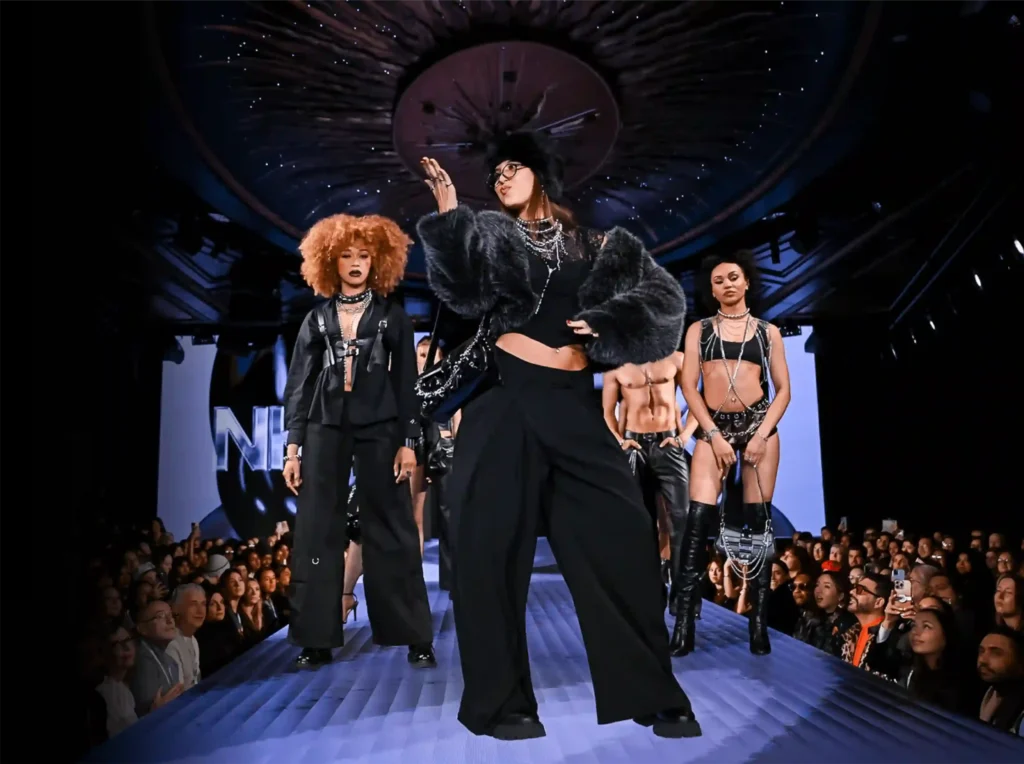

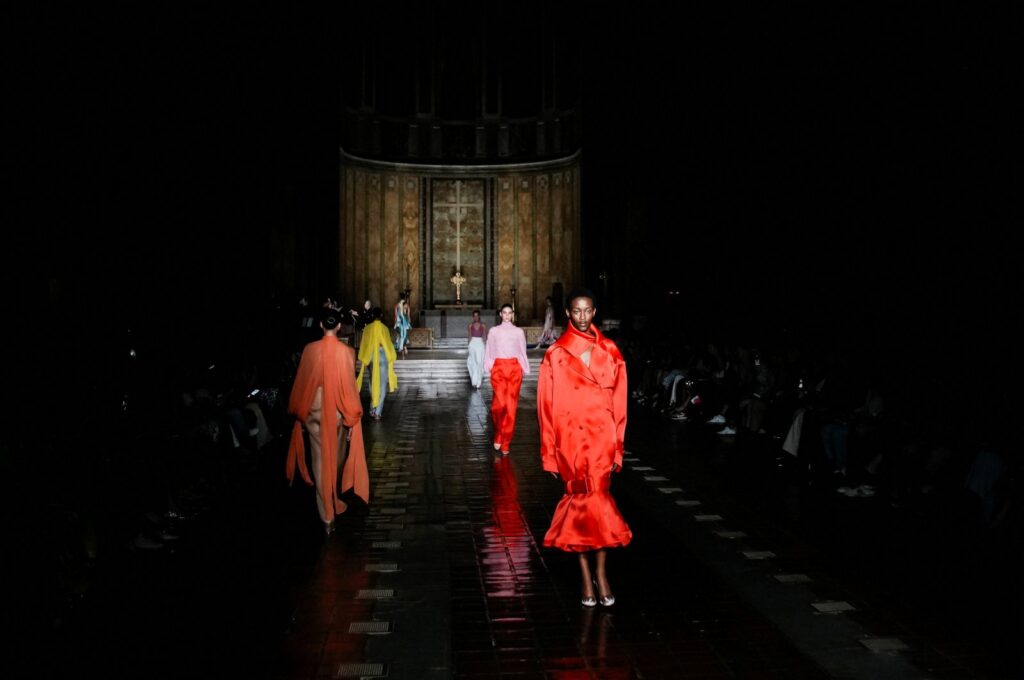
September in New York will hold plenty of other rooms that week, the official venues downtown, presentations by appointment, at least one show staged in a church nave. Around 70 shows sit on the CFDA schedule alone.
Runway 7’s own calendar keeps moving after the city empties out: New York in February, Miami in May, then back to Sony Hall next September. Eleven seasons in, the operation runs less like an alternative to fashion week than a fixture of it.