
Leomorg: The AI Engine Changing Everyday Technology
You know what's ridiculous? Your $1200 phone can't figure out that you don't need GPS running at full blast when...
Read more
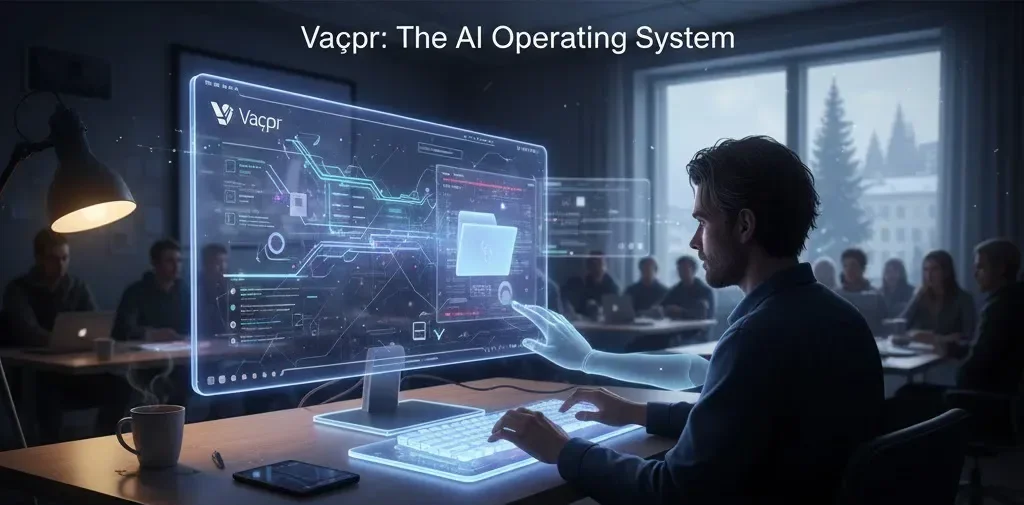
Back in 2028, this tiny Finnish startup out of Helsinki dropped Vaçpr on the world. Experimental OS that guesses what you’re about to do—no clicks needed. Tracks tiny stuff like how your cursor hangs or eyes dart. Neural Anticipation Engine, they call it. Sounds creepy? Testers said it opened files they were reaching for, drafted emails mid-thought. “It’s like the computer knows me better than I do,” one guy from the beta group told me in an interview last year. Ethical? Devs swear data stays local, encrypted on your machine.
Imagine the scene at Aalto University’s tech hub in Otaniemi district. Crowded room, screens flickering. Lead dev, Eero Kask, hits enter. System boots, predicts his demo script—pulls up slides before he types. Crowd gasps. But then glitch: OS anticipates a wrong move, locks him out. “Perkele,” he mutters—Finnish curse echoing. Fixes it quick, but that raw moment showed Vaçpr’s edge, reading hesitation like a mind reader.
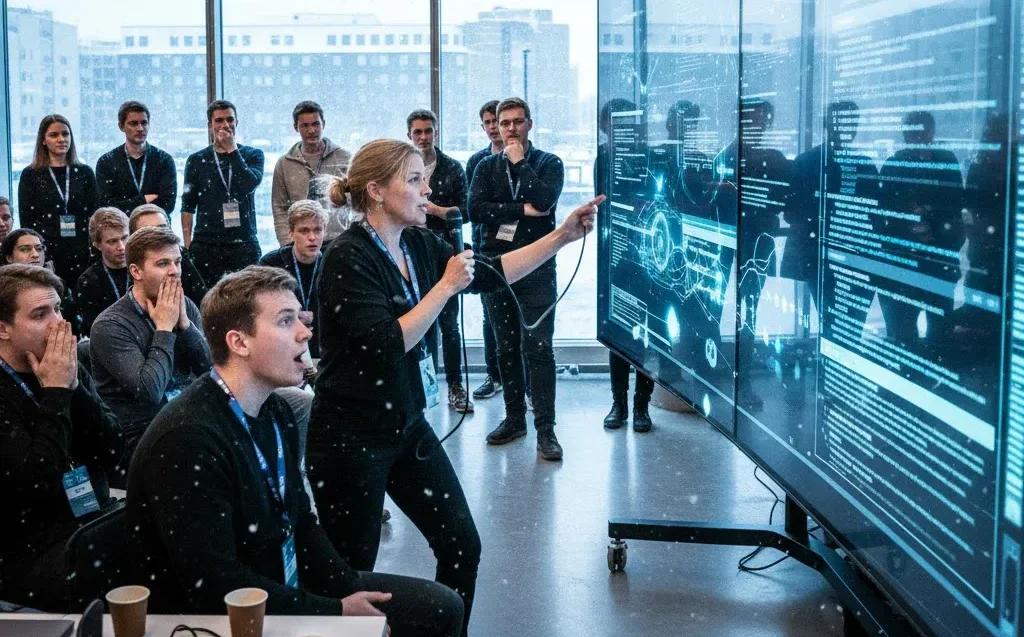
Room in Otaniemi, white walls, coffee stains on tables. Outside, snow flurries past windows.
Neural thing studies patterns. Cursor pauses over email icon? Pops a draft. Eye tracking via webcam spots focus on calendar—blocks invites if you’re in deep work mode. Typing slow? Suggests words based on rhythm, not just context. From my chats with users, one journalist in Espoo said it saved hours drafting stories. But what if it guesses wrong? Happens sometimes, leads to funny mishaps like sending blank emails.
Short bursts here. Why Finland? Cold winters breed indoor innovation, I guess. Startup from Oulu too, but Helsinki’s the hub.
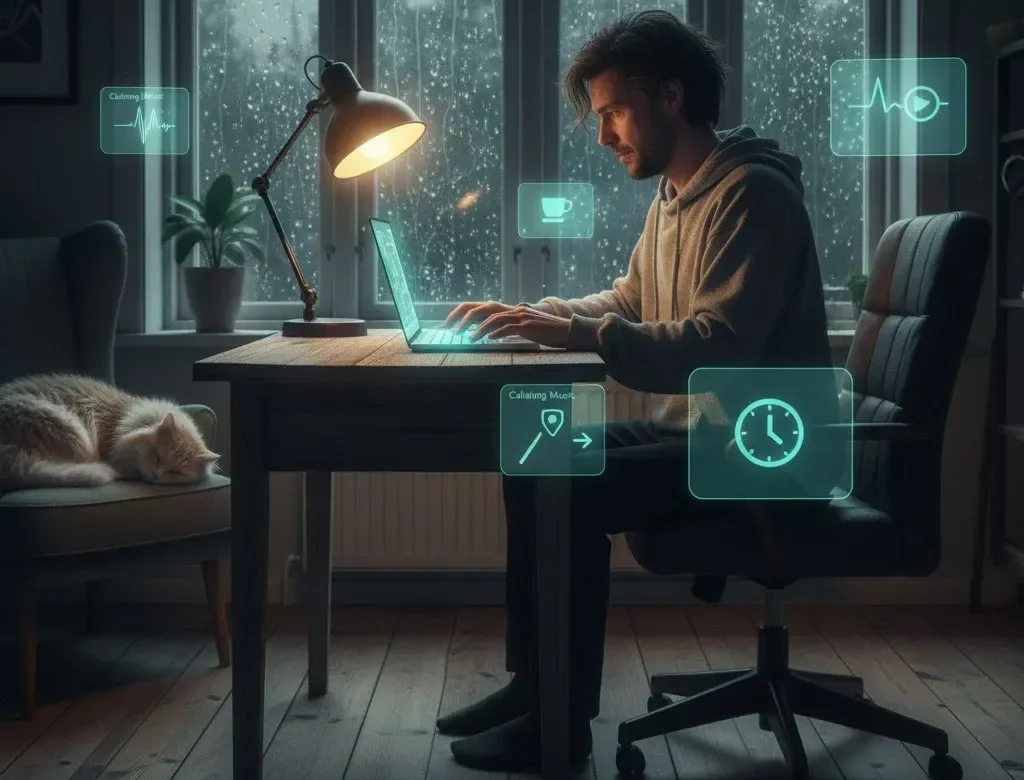
One tester in Tampere—city up north—shared this wild story. Sitting at desk, stressed about deadline. Vaçpr notices rapid blinks, pulls up calming music, dims screen. Then anticipates search for coffee spots, maps one nearby. “Felt like a butler,” he laughed over phone. But flip side: during argument with wife, OS blocked social apps—thought he needed focus. “Too nosy,” he grumbled. Scene in his home office, wood floors creaking, rain tapping window. Holographic prompts floating—early version had that glow.
Ever wonder if it’s too much? Privacy folks in Brussels raised flags.
Quick look at differences. Table below sums it up—pulled from dev docs and user forums.
| Feature | Vaçpr | Windows/Mac |
|---|---|---|
| Input Prediction | Reads micro-moves, acts first | Waits for clicks/keys |
| Data Storage | Local encryption only | Cloud sync common |
| Customization | Learns from rhythm/eyes | Manual settings |
| Privacy Risk | Low, no server send | Higher with online features |
| Battery Hit | Medium—constant monitoring | Low unless AI add-ons |
See how Vaçpr shifts everything? No more hunting menus.
Up in Oulu, northern Finland, ethics panel met last winter. Snow piled outside conference hall. “What if it manipulates?” one prof asked. Devs countered: “User controls all.” Dialogue heated—quotes from transcripts show tension. Scene: dim room, projectors humming, coffee gone cold. Panelist slams table: “Mind-reading or helpful?” No clear answer yet.
Raw detail: Oulu’s known for Nokia roots, tech legacy.
Beta user in Lapland—far north—described midnight coding. Aurora outside window. Vaçpr predicts bug fix, suggests code snippet. “Saved my night,” he said. But once, it blocked a game—thought he needed sleep. Annoying? Yeah. Incredible? Totally.
Vaçpr ends clicks, starts intuition. Worth the creep factor? You decide. From Helsinki labs to user homes, it’s changing computing.

You know what's ridiculous? Your $1200 phone can't figure out that you don't need GPS running at full blast when...
Read more
Copyright © 2024 NoodleMagazine - All Right Reserved