
Watch New York Fashion Week Shows From Home, February 10 To 14, 2027
Runway 7 is bringing it's New York Fashion Week shows back to Sony Hall from Wednesday, February 10 to Sunday,...
Read moreDetails
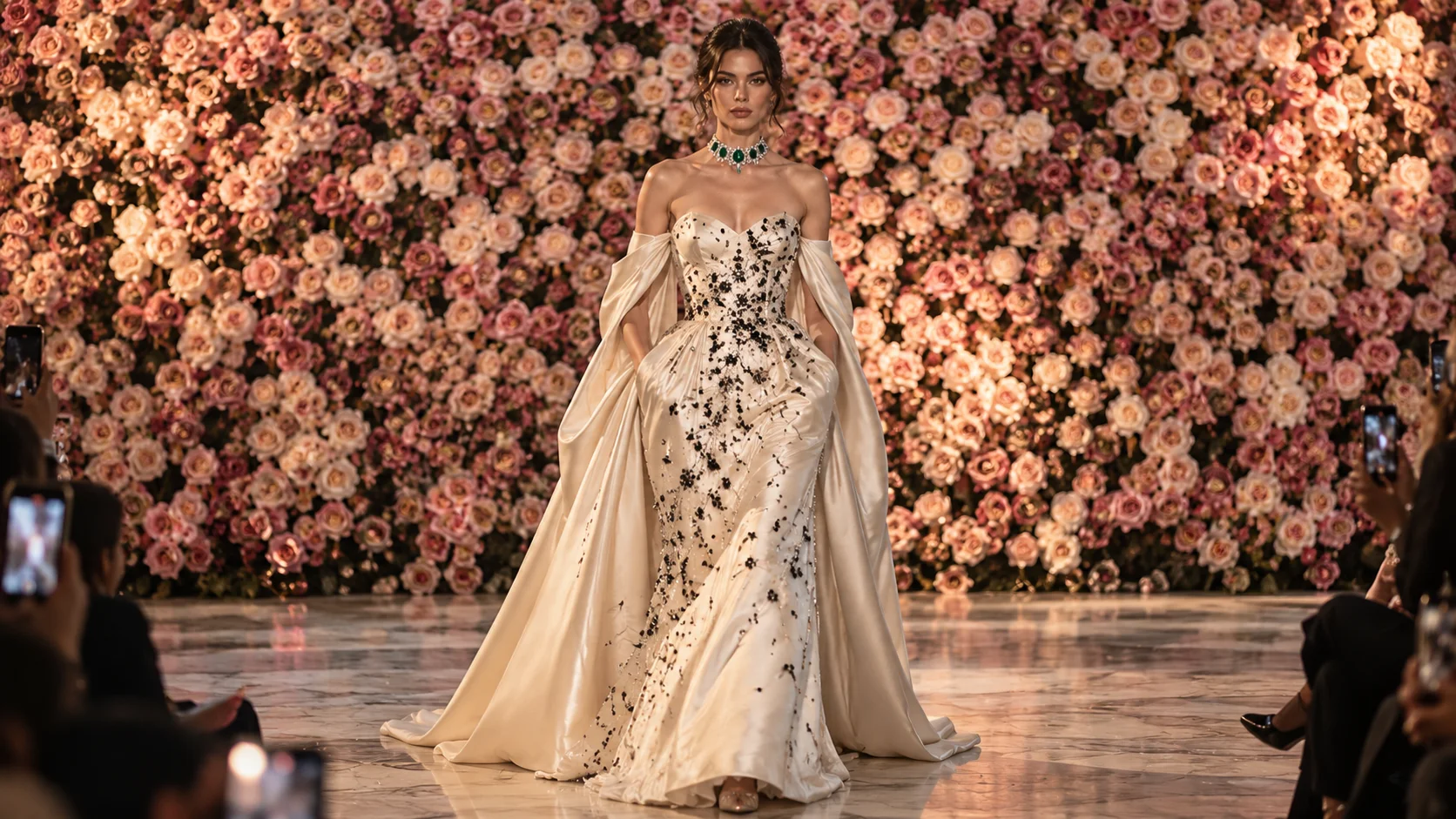
Luisa Casati had herself painted more than two hundred times, walked pet cheetahs through Venice on jeweled leashes, kept live snakes as jewelry and spent one of Europe’s great fortunes making her life into an artwork until there was no fortune left. She died in London in 1957 owing millions, having declared decades earlier that she wanted to be a living work of art and having very nearly managed it. Designers have borrowed her before. Bibhu Mohapatra’s Spring/Summer 2027 collection borrows her at a specific moment: in her garden at the Palazzo Venier dei Leoni, before the evening’s chaos begins, which is a more tender choice than the cheetahs and it explains the roses.
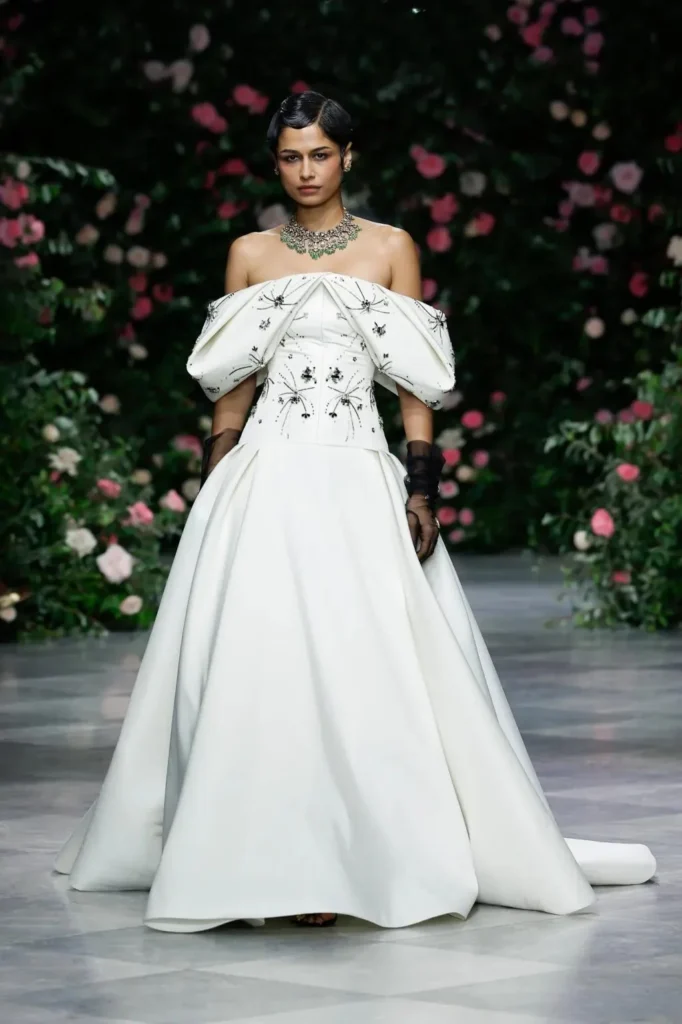
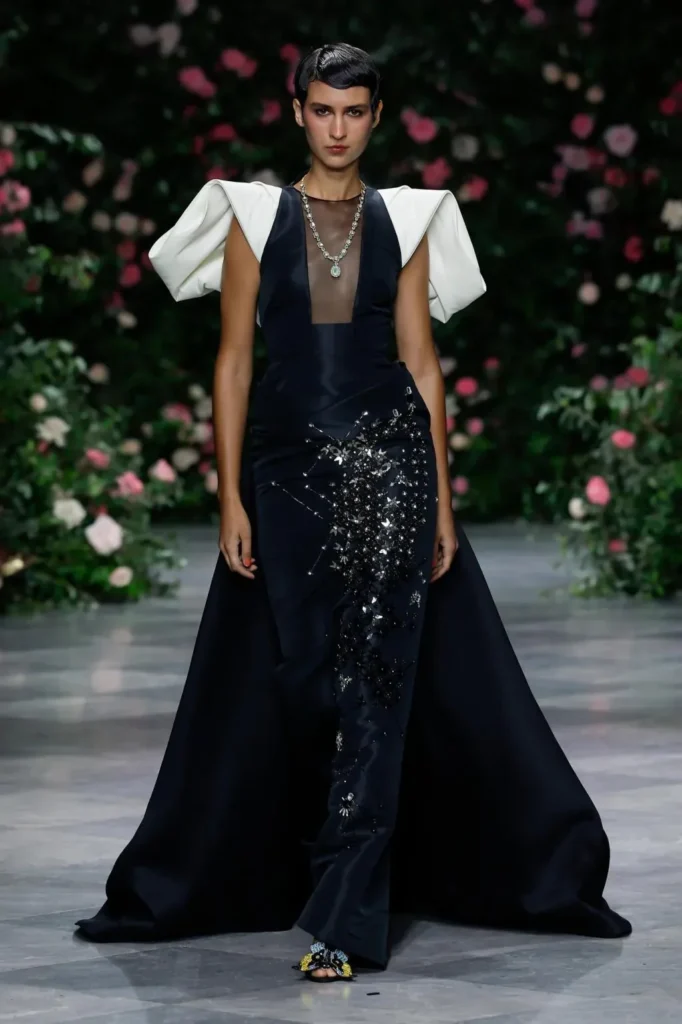
The show ran Monday, September 14 at 5pm on the official New York Fashion Week calendar, in the late-afternoon slot between Diotima and Carolina Herrera on the week’s busiest day. The room itself was built as a garden. Frost Productions constructed a wall of roses in pink, blush and ivory that ran the full width of the runway, with a pale marble floor beneath it, so every look walked out of a hedge and toward the audience across stone. Country singer Mickey Guyton was among the front row.
The production was arranged by The Hinton Group, Nate Hinton’s firm, which also handled press, with casting by Chad Thompson of Communa-K, styling by Cat Pope and Malcom Hall and music by Javier Peral. The collaborator list ran long and specific in the way Mohapatra’s shows usually do: fine jewelry from PMJ Jewels of Hyderabad, beauty by Luis Casco for Olive Rose, hair by Joseph DiMaggio for Rica Haircare, nails by Giorgia Cappella for The GelBottle, Cazal eyewear, Calzedonia hosiery, leather bags by Jovana, glass bags by Raiffe and footwear by Casa Lily. Runway photography was shot by INDIGITAL.
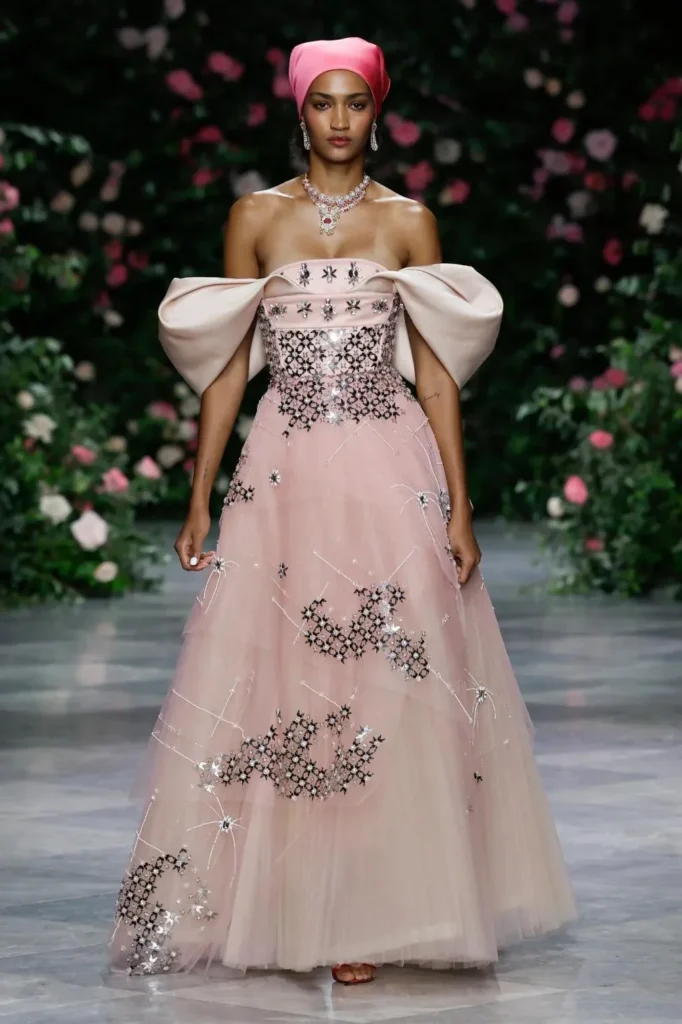
The materials story is where Mohapatra always earns his keep and this season it traveled the way Casati did. Textiles came from Japan, Italy and France, including four distinct laces, each in its own color. Seven embroidery stories were worked by artisans in India, the designer’s standing commitment to the craft traditions of the country he grew up in. The press materials describe the fluid ikat silks of his native Odisha meeting Spanish needle lace and the beaded weight of Venetian glass and on the runway that reads as a collection that changes technique every few looks rather than settling into one.
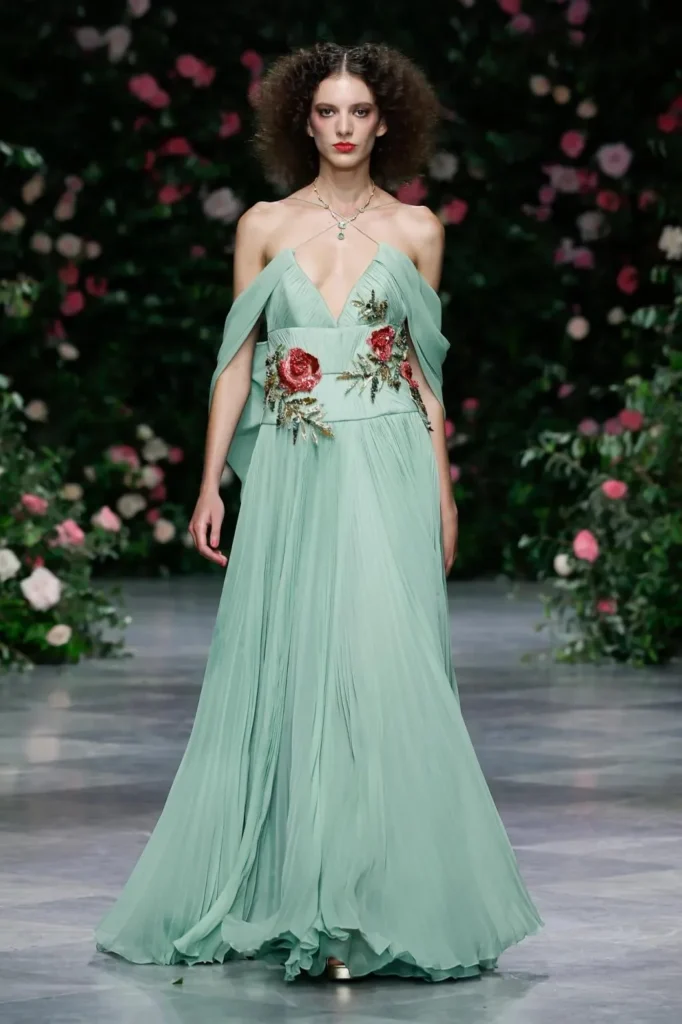
The palette is an Italian rose garden by design: pink, blush and ivory as the base, olive green for depth, a mustard gold as the accent, all of it lifted straight from the set the clothes walked in front of.
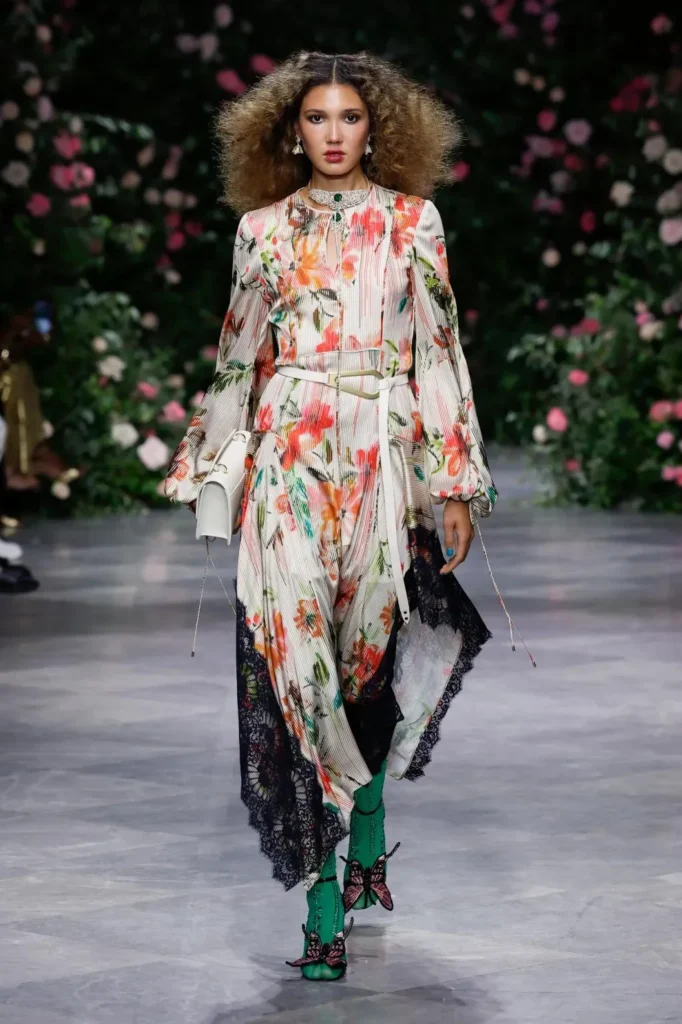
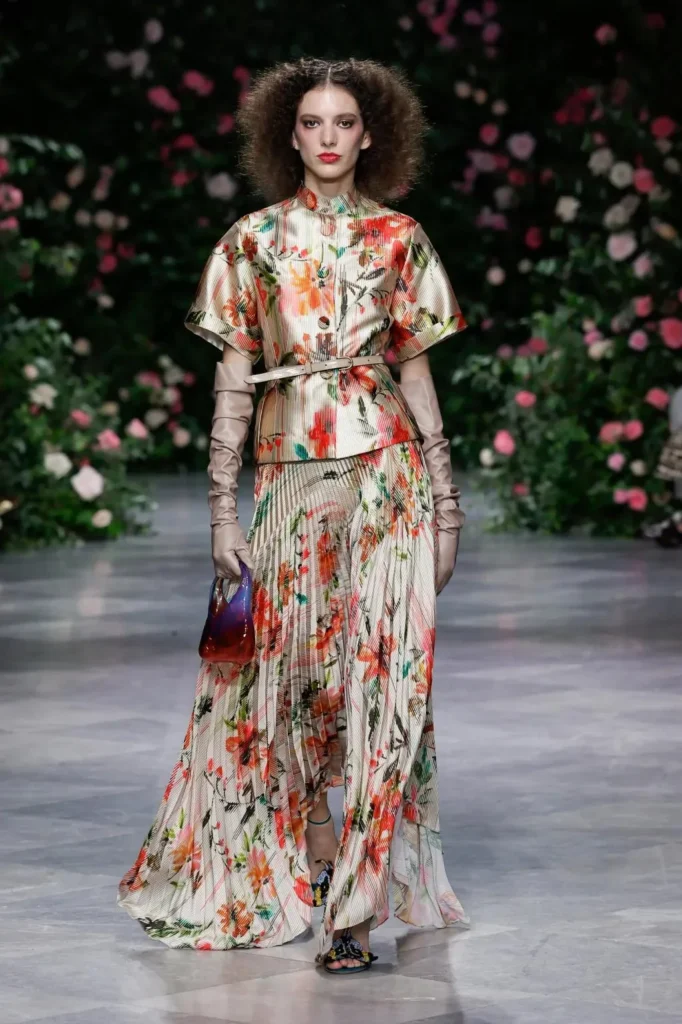
Then there’s the Luisa print, new this season and the collection’s most useful idea. Painterly florals in coral, orange and green, streaked across a striped ground as if the brush kept moving after the flowers were done and it carries the Marchesa’s spirit without asking anyone to wear a costume. It showed as a belted day dress with a black lace hem and as a mandarin-collar blouse over a pleated skirt with long taupe gloves and both are the looks a customer will actually buy.
A capsule of indigo denim, dresses, trousers and a trench coat, cut through the opulence as the modern counterpoint and it’s the kind of commercial thinking that keeps a runway house solvent between galas.
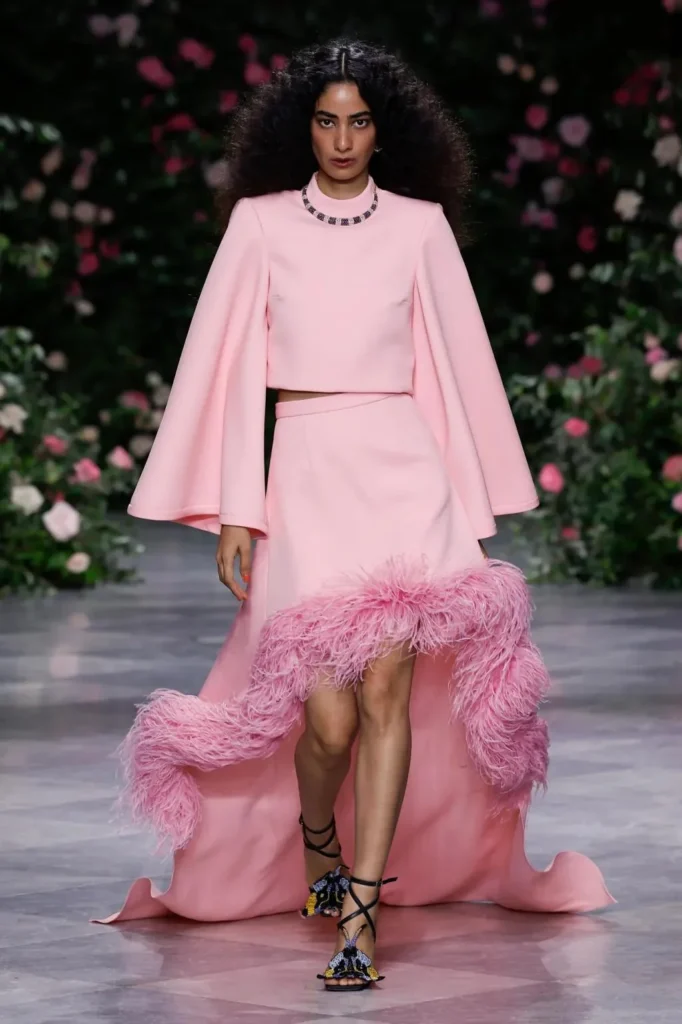
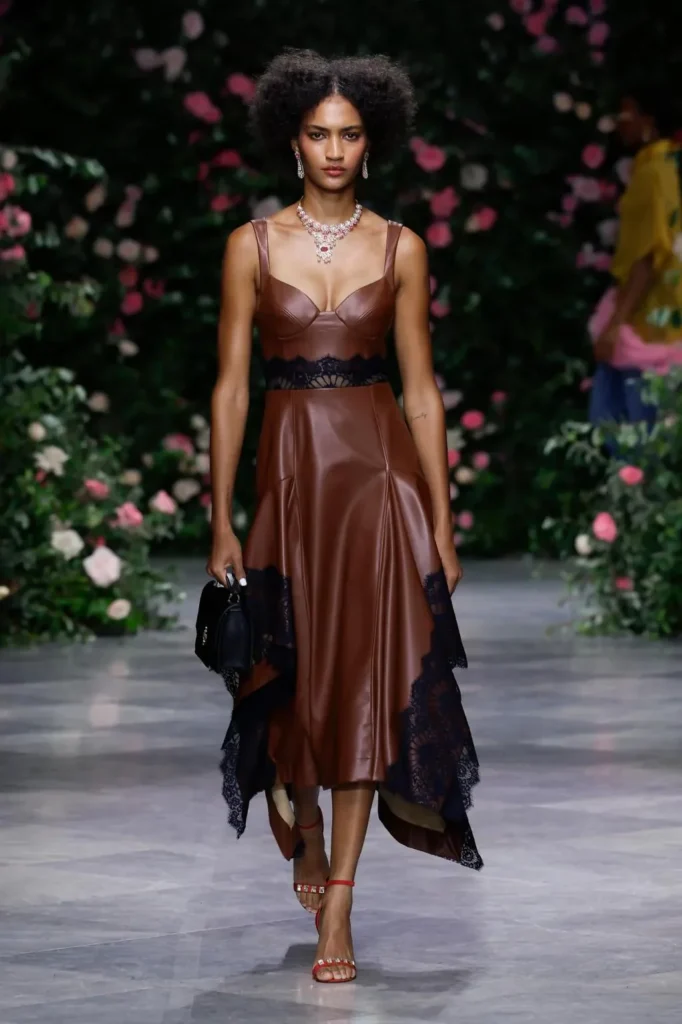
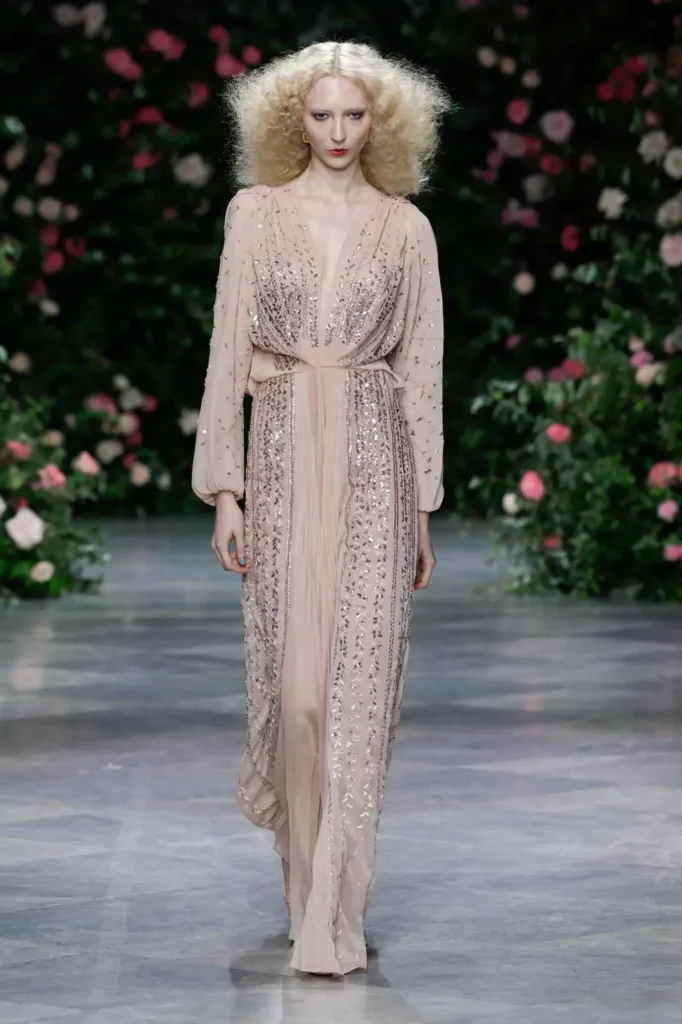
Eveningwear is the house’s reputation and it’s also where this collection drew it’s sharpest reviews. WWD called the collection messy even by Mohapatra’s standards, while singling out two late looks as the moments of beauty: a plunging blush take on the archaic Greek chiton and a pleated green off-the-shoulder gown with roses and olive branches climbing the bodice. The Impression scored the show a 6.3 out of ten. That’s a mixed verdict from the trade and it’s worth being plain about it.
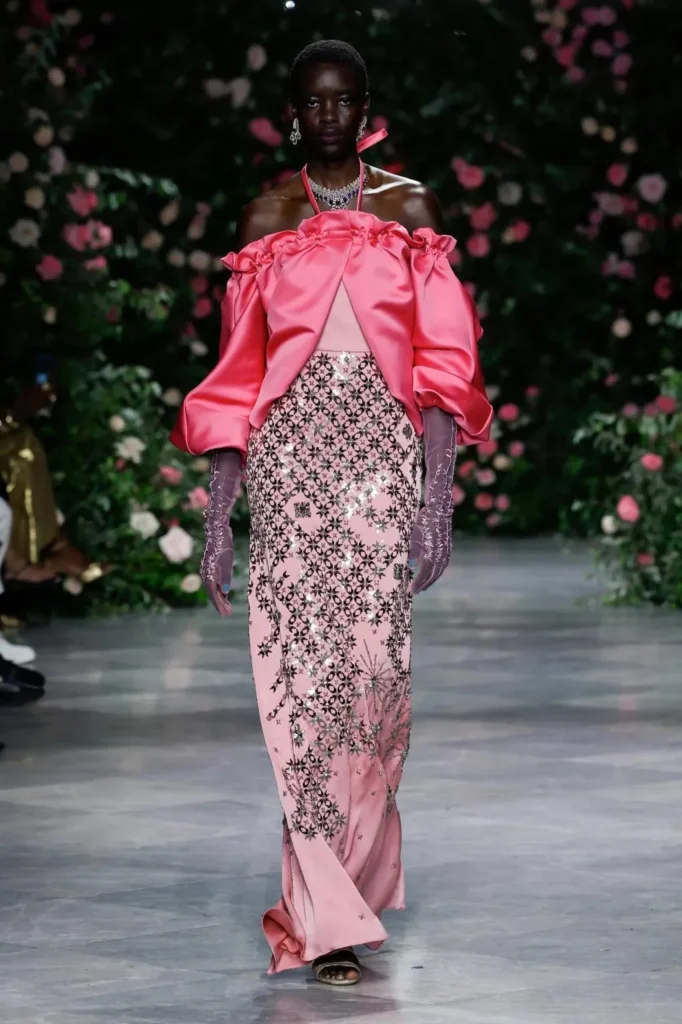
My own read lands close to WWD’s on the evening pieces and warmer on the whole. The trouble with the gowns isn’t quality, the beading and the draping are as accomplished as ever. It’s quantity of idea per look. Sculpted sleeves plus lattice embroidery plus a headscarf plus statement jewelry is a lot of Casati on one body and the Marchesa’s own trick was that she made maximalism look inevitable rather than assembled. The looks that worked hardest were the ones that picked one gesture, the mustard column with it’s vine embroidery, the ivory opener with it’s scatter of black stars and the day pieces in the Luisa print, which trusted the fabric to do the talking. Where the collection stacked gesture on gesture, it got busy and busy is what the reviewers were reacting to.
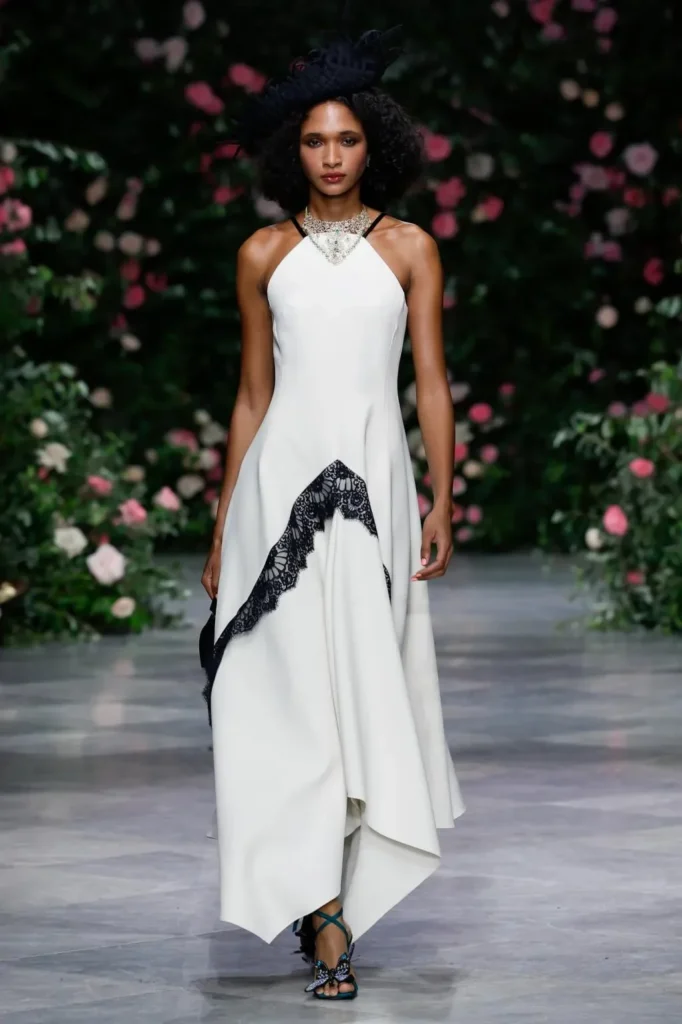
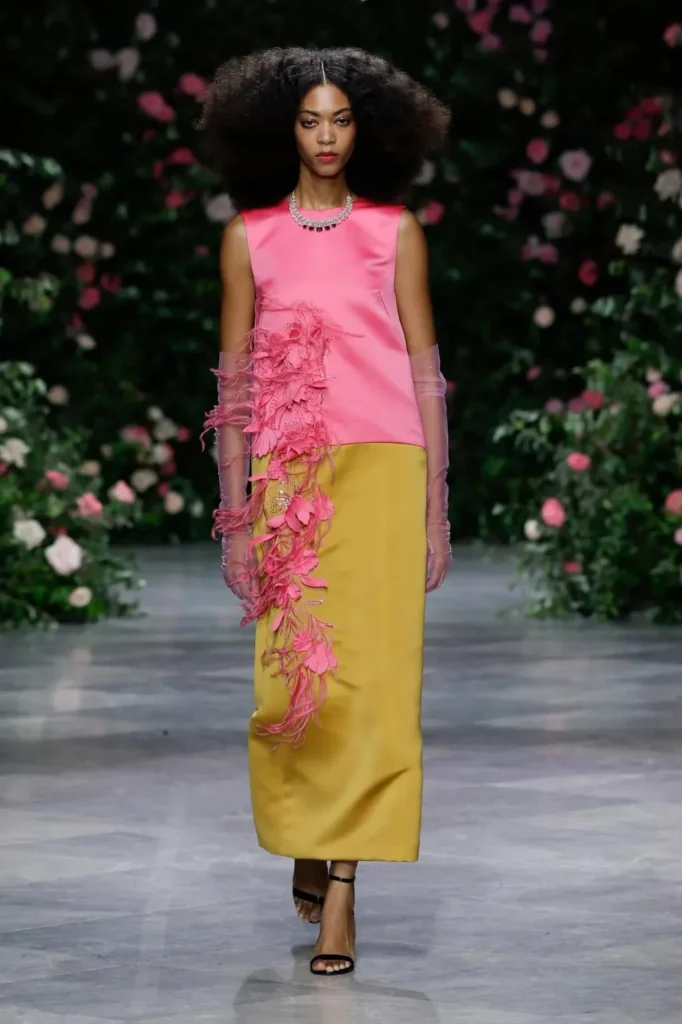
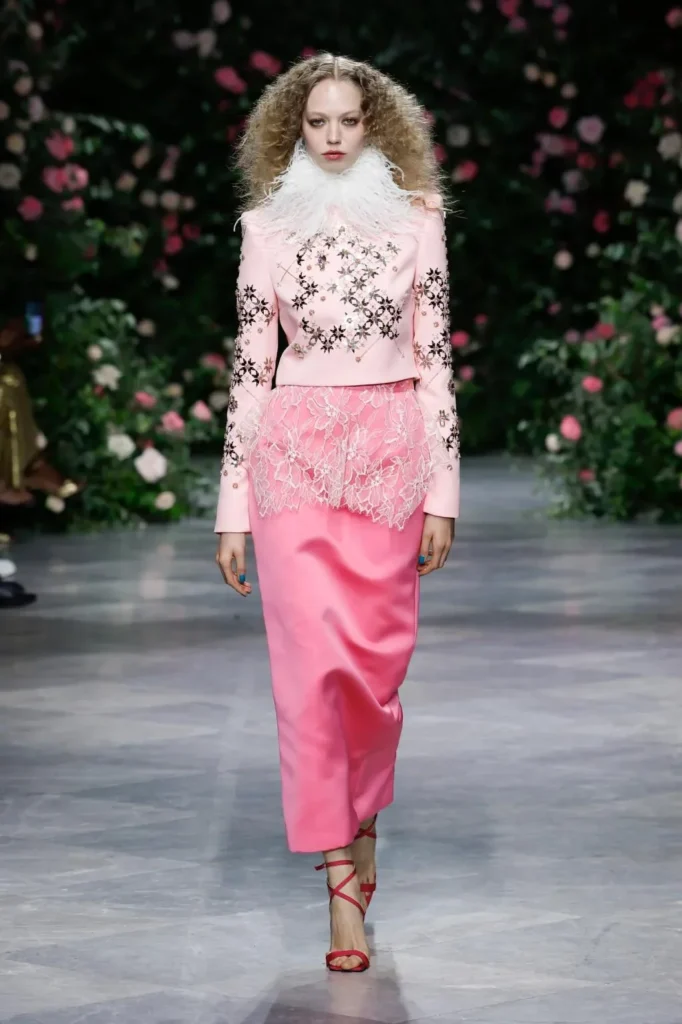
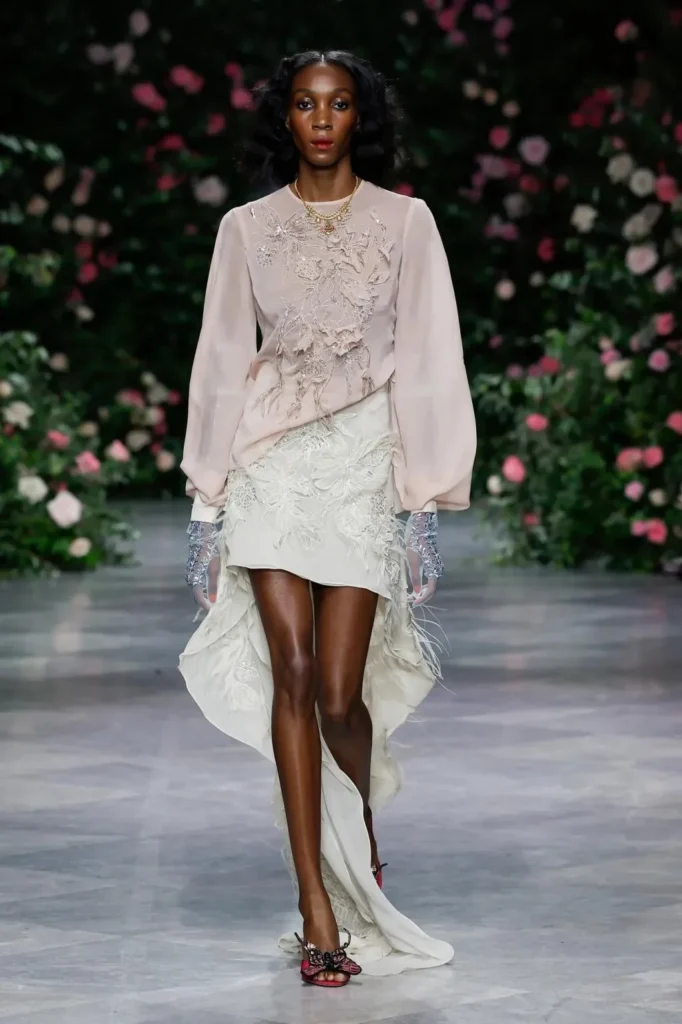
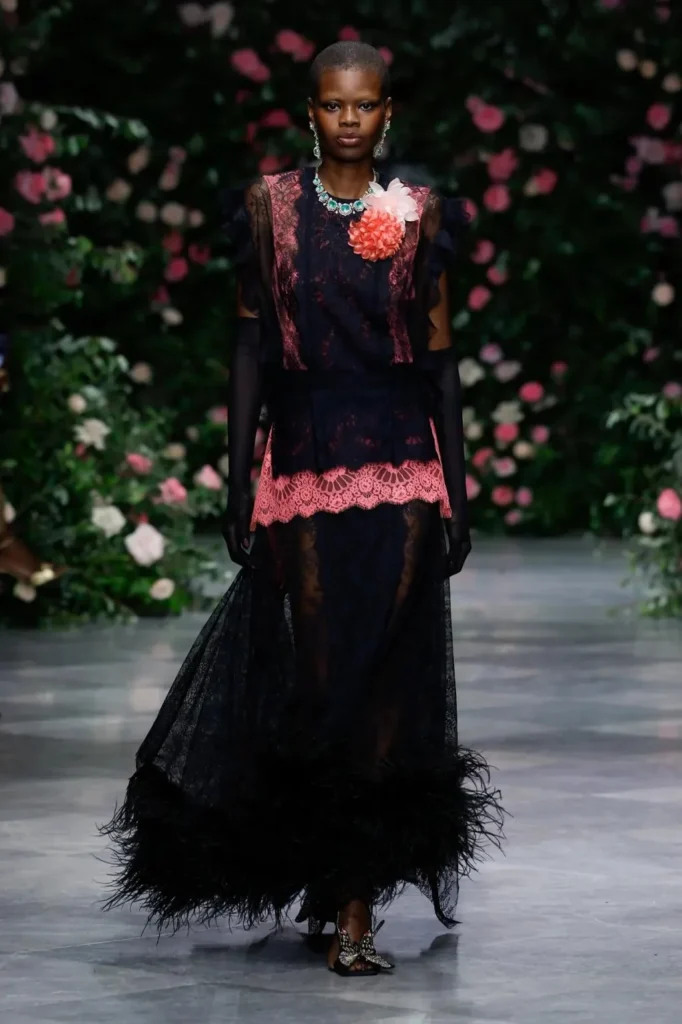
Mohapatra has always worked this way, one historical woman per season, Annemarie Schwarzenbach, the Empress Dowager Cixi and now Casati and the method has a built-in risk: the more famous the muse, the more the clothes have to compete with the legend. Casati is nearly impossible to out-dress. What this collection understood, in it’s better moments, is that she wasn’t only a spectacle; she was a patron who filled her palazzo with artists and let them work. Read that way, the rose garden isn’t the set for a costume drama. It’s the setting for a woman who commissioned things and the Odisha ikat, the Indian embroidery, the Hyderabad jewelry are the things she’d have commissioned.
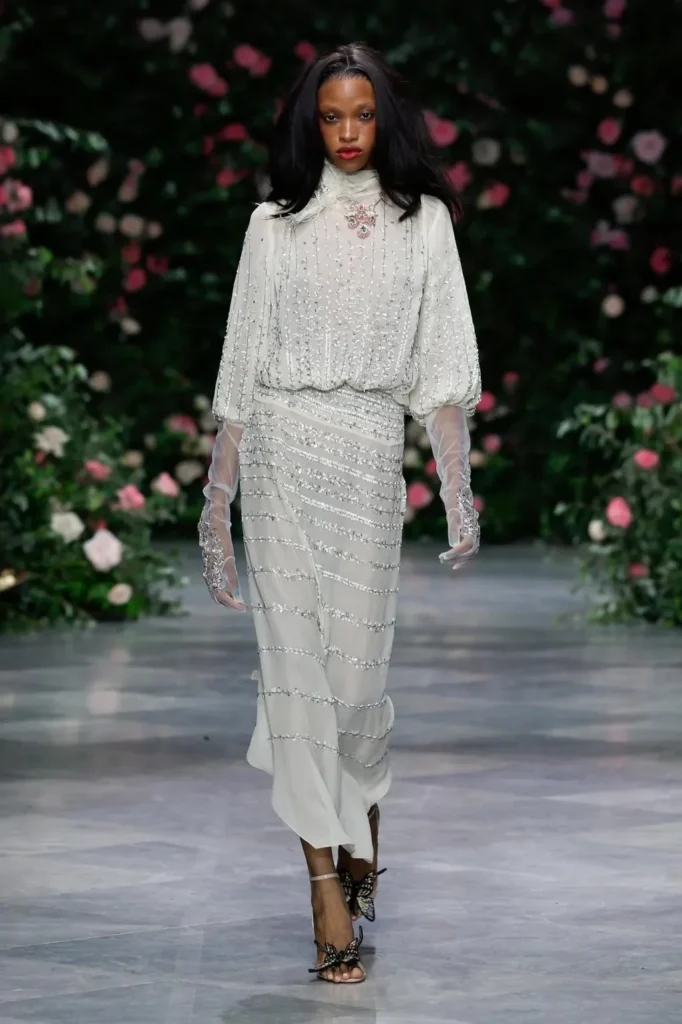
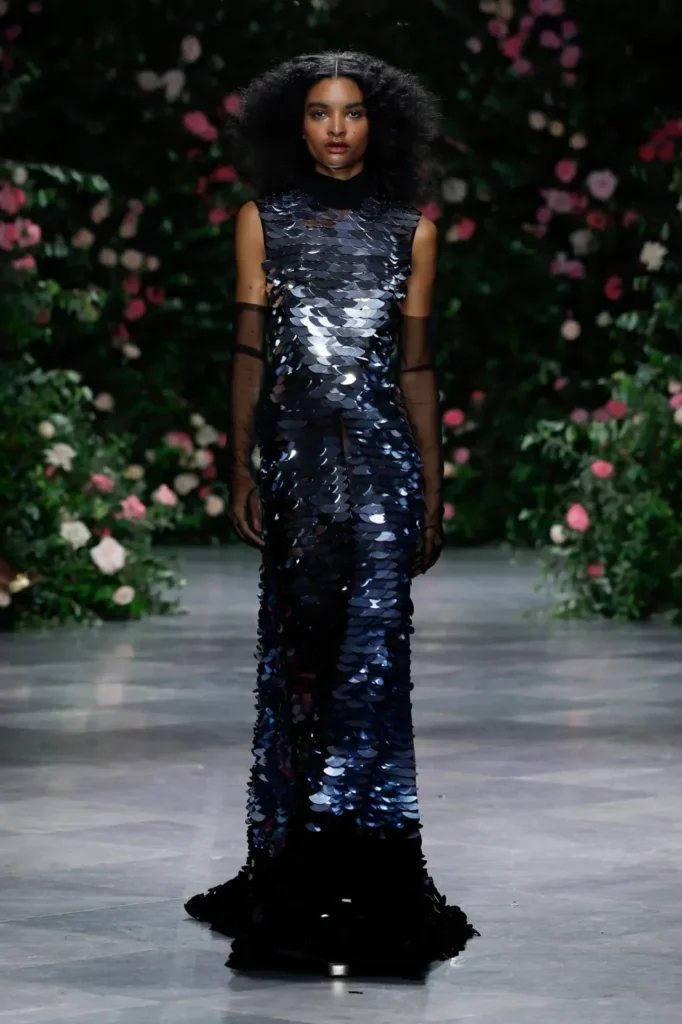
The collection sells the day pieces and the two or three restrained gowns on sight and it will sell the denim to a customer the house hasn’t fully met yet. The rest is a designer with real hands reaching for a woman who is very hard to reach and missing her by a few flourishes. Casati would probably have liked it anyway. She never once, in her whole documented life, asked anyone to tone it down.

Runway 7 is bringing it's New York Fashion Week shows back to Sony Hall from Wednesday, February 10 to Sunday,...
Read moreDetails
Copyright © 2024 NoodleMagazine - All Right Reserved