
Creative Wedding Exit Ideas to End Your Night in Style
When my husband and I were planning our wedding, the exit was honestly the last thing on the list, somewhere...
Read moreDetails
The problem with a list of ten life hacks isn’t that the items are wrong. It’s that ten equally-weighted tips is exactly how you guarantee someone tries all of them badly for a week and none of them after. Real change doesn’t work like a checklist. A couple of these habits genuinely reshape your day, a few help at the margins and one or two are the same idea wearing different hats. So here’s the honest version, sorted by how much they actually matter, starting with the one that does most of the work.
If you only fix one thing, fix the first hour. Not because mornings are magic, but because a decided morning removes a pile of small decisions at the exact moment your willpower is freshest and decision fatigue is a real tax that builds all day. When the first hour runs on rails, you spend your best mental energy on work that matters instead of on figuring out what to do.
It doesn’t need to be elaborate and the 5am-cold-plunge version people perform online is mostly theater. Wake at a consistent time, get some water and something to eat into you, move your body or sit quietly for a few minutes and look at the day before it starts making demands. That’s it. The consistency matters far more than the contents, a boring routine you actually keep beats an ambitious one you abandon by Thursday. Doing your hardest task early, while your focus is highest, is the single highest-leverage move in here.
The second thing that genuinely moves the needle is how you handle time, though half of what feels like a time shortage is really a priority problem in disguise. A few techniques earn their reputation.
The techniques only work if you also do the unglamorous parts: kill the notifications, learn to say no to things that don’t serve your actual goals, hand off or drop what you can and take real breaks so you’re not running on fumes by mid-afternoon. If you want a tool to lean on for the deep-work stretches, something like SFM Compiled can help hold the structure together, but the discipline has to come first, no app fixes a refusal to prioritize.
Carol Dweck’s research on the growth mindset is the idea worth internalizing here, because it changes how you relate to every other habit on this list. The short version: if you believe your abilities are fixed, a setback is proof you’ve hit your ceiling, so you stop. If you believe they’re built through effort, the same setback is just information and you keep going. People who treat challenges as things to learn from rather than threats to their competence simply outlast the ones who don’t.
In practice it’s a handful of reframes. Treat a hard task as a chance to get better, not a test you might fail. Reward the effort and the progress, not just the finish line. Take feedback as useful rather than as an attack. And when something goes wrong, pull the lesson out of it instead of the shame. This is quiet and unsexy and it matters more than any timer.
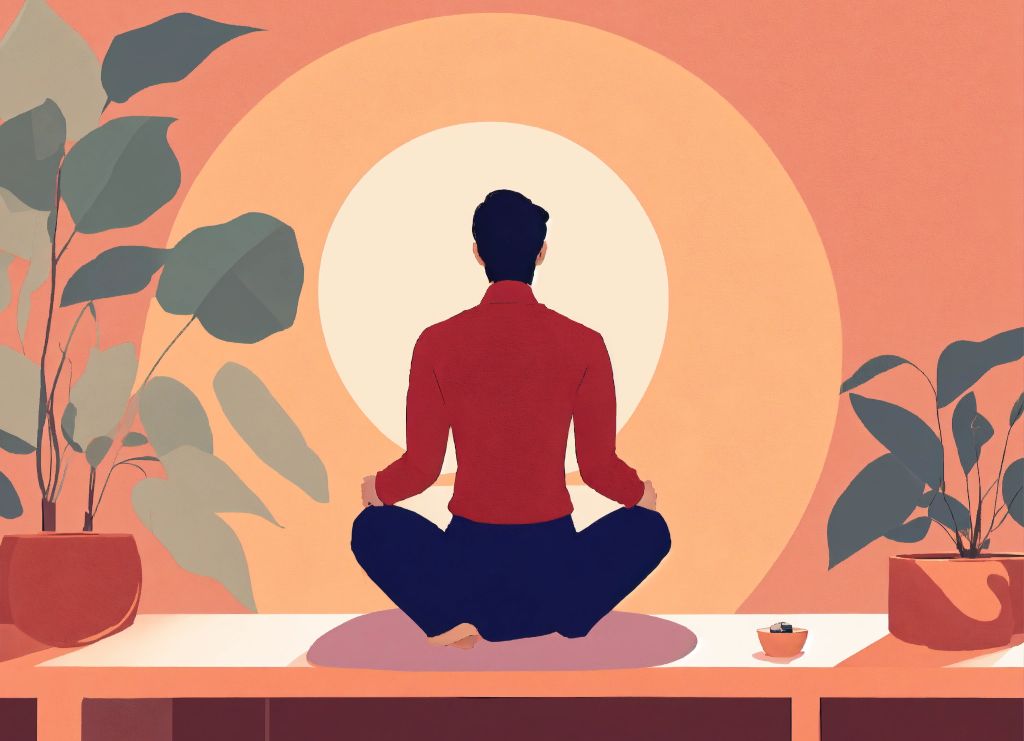
Exercise belongs on every one of these lists for a good reason, it lifts energy, mood and cognitive function all at once through endorphins and better blood flow to the brain. The only trick that matters is doing something you’ll actually repeat, so pick the activity you don’t hate, put it in the calendar as non-negotiable and rope in a friend if accountability helps. Short bursts count too, stairs over the lift, a walk between meetings. The best routine is the one that survives contact with a busy week.
A few more are worth real mention but not a whole sermon each. Mindfulness and meditation, even ten minutes of focused breathing or a body scan, measurably lower stress and sharpen focus and unlike a lot of wellness advice the evidence behind them is solid. Meaningful relationships are a productivity and wellbeing input, not a distraction from work, the support network is what carries you through the rough patches, so invest in the people who are actually good for you and listen properly when they talk. Lifelong learning keeps you adaptable and is it’s own reward, so set a real goal and chase something you’re curious about rather than learning for it’s own sake.
And then there’s the filler that these lists pad themselves with. “Cultivate a positive attitude” and “practice self-reflection” and “communicate effectively” are all fine, but they’re less discrete hacks than general good sense and honestly a positive attitude mostly follows from getting the bigger things right rather than being something you install on it’s own. Keep a journal if it helps you think. Reframe the doom-spiral thoughts when you catch them. Be someone others can rely on. None of that needs it”s own numbered step.
The move isn’t to adopt ten habit’s on Monday. It’s to take the morning routine and one time-management method, run them until they’re automatic and only then add the next thing. Be patient with the pace and kind to yourself when you slip, because the people who actually change their lives this way are the ones who went slow enough for it to stick, not the ones who tried all ten at once and burned out by the weekend.

When my husband and I were planning our wedding, the exit was honestly the last thing on the list, somewhere...
Read moreDetails
Copyright © 2024 NoodleMagazine - All Right Reserved




It’s really a cool and helpful piece of information. I’m happy that you
just shared this helpful info with us. Please keep us informed like this.
Thank you for sharing.
Ahaa, its nice conversation on the topic of this
post here at this webpage, I have read all that,
so at this time me also commenting at this place.