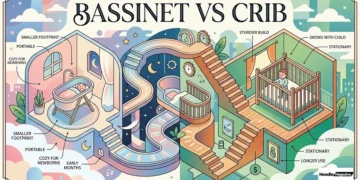
Crib or Bassinet? What New Parents Need to Know
It comes down to how long you need it. A bassinet is a short-term sleep surface — birth to roughly...
Read moreDetails

The £300 fixed penalty for riding uninsured gets all the headlines. Six points with it, unlimited fine if it goes to court, bike seized at the roadside. Frightening enough. But in my experience the document that ruins more riders’ months is quieter than any roadside stop: a letter from the DVLA about a bike that has not moved since October.
Here is how it happens. A rider parks the bike for winter, the renewal comes through in November, money is tight, the bike is in the garage anyway, so the policy lapses. Feels harmless. Feels sensible, even.
Except UK law does not care that the bike is parked. Continuous Insurance Enforcement means a registered vehicle must hold insurance at all times unless the keeper has filed a SORN, the Statutory Off Road Notification. The DVLA runs the vehicle register against the Motor Insurance Database, no officer involved, no stop required and a registered bike with no live policy generates a keeper penalty of £100 through the post. A project bike in pieces on a workbench qualifies. A bike under a cover on your own driveway qualifies. I once spent twenty minutes on the phone with a man who owned three non-runners and had never heard of any of this, which went about as well as you’d imagine.
The SORN itself costs nothing, takes minutes online, lasts until the bike gets taxed, sold or scrapped. So the fix is free. What the SORN takes from you is the dry Sunday in February, because a SORN’d bike cannot touch a public road at all, not even to the MOT station without a booked test. Riders who know themselves choose accordingly. There is also a middle product, laid-up cover, fire plus theft protection while the bike sits, worth a look for anything valuable spending months in a lock-up. Whether laid-up cover preserves your no-claims position varies by insurer, so that question goes on the phone call, not on assumptions.
Back to the £300. What that number hides: the conviction sits on your licence for years afterward and every renewal quote from then on asks about it. For a rider in his twenties the cumulative premium loading over those years routinely dwarfs the original penalty. Add the seizure mechanics, recovery fees, storage fees, the bike sold or crushed if unclaimed, plus the court route where six points can become eight and disqualification appears on the menu.
And this offence gives you almost nothing to argue. Either a valid certificate existed when you were stopped or it did not. “I thought the direct debit was still going” has made nobody’s day better in any magistrates’ court I’m aware of.
Two disclosure problems do outsized damage, so they get their own section while breakdown cover gets a sentence at the end. That ratio is deliberate.
Fronting first. A parent insures the bike in their own name as main rider to soften a young rider’s premium, the young rider does most of the actual riding. That arrangement is insurance fraud, not a grey area, not a loophole. Discovered, it lets the insurer void the policy from the start, which converts the young rider into an uninsured rider retroactively, with everything from the section above attached. The cheap premium was never cheap.
Modifications second. The exhaust, the levers, the luggage rack, the tail tidy your mate fitted in an afternoon, all of it needs declaring. An insurer who finds an undeclared mod at claim time holds grounds to cut or refuse the payout and claim time is precisely when you cannot afford that conversation. Declaring usually costs little or nothing. People skip it out of habit rather than strategy, which makes it the most preventable claims disaster in the whole market.
Three tiers, quickly, since the structure is standard. Third party only covers the damage you do to others, nothing for your bike. Third party fire and theft adds exactly what the name says. Fully comp adds your own bike’s damage on top.
The decision usually prices itself. On a £600 winter hack, comp premiums can approach the bike’s value, so plenty of riders sensibly stop at third party fire and theft. On anything you could not casually replace, get the fully comp quote before assuming it costs too much, since the gap between tiers often runs smaller than riders expect once the excess structures are compared side by side.
Where to get those quotes is worth a word the generic guides skip. The UK has a genuine specialist motorcycle market, brokers like Bennetts, Carole Nash and Devitt built their whole business on bikes and specialists tend to understand modified bikes, multi-bike garages and riding kit better than a generalist comparison engine does. Run the comparison sites too, then check a specialist or two directly. Fifteen extra minutes, sometimes a materially different quote, occasionally a policy that actually understands what a garaged, alarmed, standard-spec bike deserves.
Storage matters to every one of those quotes, a locked garage or an approved alarm genuinely moves the number and some insurers discount advanced riding qualifications. Postcode you cannot do much about. Sorry.
Private-sale test rides run on a myth: that the seller’s policy somehow covers whoever throws a leg over. It almost never does. The person riding needs their own cover for that bike in that moment and riding without it is the full £300-and-six-points scenario on a stranger’s machine.
This is the cleanest use case for short term motorcycle insurance, cover arranged online for a day or a few days on a specific bike, priced for the window. The same product handles a borrowed bike for a week, a newly bought machine ridden home before the annual policy starts, or a defined riding trip. The arithmetic to keep in mind: per day it costs more than annual cover ever would, so regular riders do not save money this way. It fills gaps. It does that one job well.
Add-ons, briefly, as promised. Legal expenses cover is the one I stop on, recovering losses after a non-fault accident without it is a slog. Kit cover matters if your helmet plus textiles run to four figures, check the per-item limits. Breakdown, have it somewhere, just not twice. And read the certificate when it arrives, the actual certificate against what you actually declared. Everything in this article eventually comes down to those two documents agreeing.

It comes down to how long you need it. A bassinet is a short-term sleep surface — birth to roughly...
Read moreDetails
Copyright © 2024 NoodleMagazine - All Right Reserved




I really like your writing style, great info, thank you for posting :D. “Faith is a continuation of reason.” by William Adams.