
Creative Wedding Exit Ideas to End Your Night in Style
When my husband and I were planning our wedding, the exit was honestly the last thing on the list, somewhere...
Read moreDetails
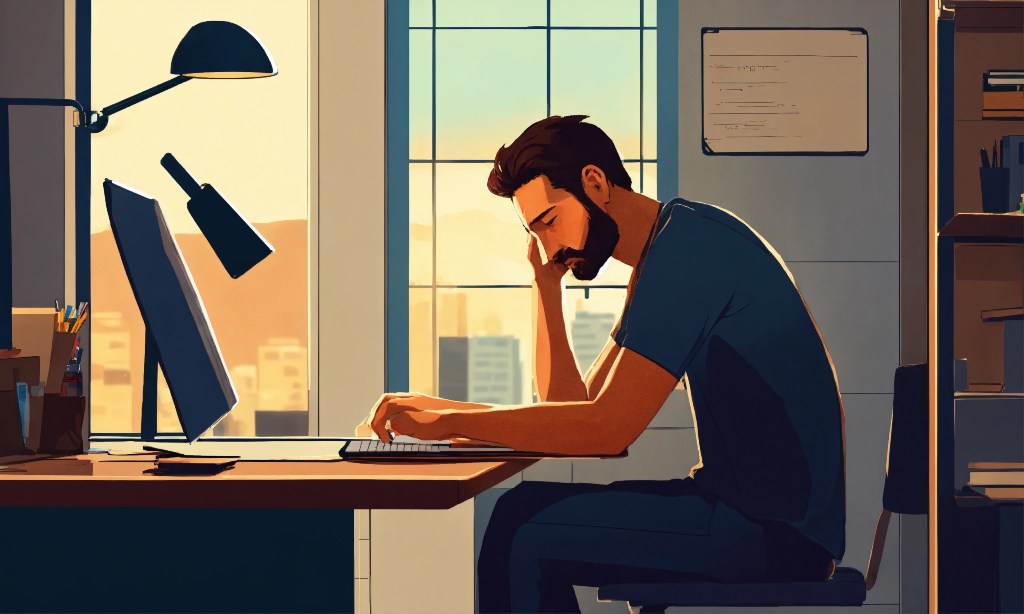
Stress is just the body reacting to something that demands adjustment and not all of it is bad. A deadline that sharpens your focus is stress. So is a wedding, a new job, a move you’re excited about, that’s eustress, the useful kind. The problem is the other kind, the low-grade distress that never switches off, work bleeding into evenings, money worries running in the background, a relationship grinding on. When that becomes the baseline rather than a bad week, it starts doing real damage to the body and mind and most of the strategies below are about catching it before it gets there.
Short bursts of stress are fine, the body is built for them. It’s the chronic version that wears you down and it shows up in more places than people expect. Physically it turns up as headaches, muscle tension, chest pain, fatigue, a shifted sex drive and a stomach that won’t settle. Emotionally it’s anxiety, restlessness, irritability that flares into anger and a flatness that can slide toward depression. It fogs the mind too, constant worry, racing thoughts, forgetfulness, trouble concentrating, decisions that come out worse than they should.
And it changes what you do. Under sustained stress people tend to eat too much or too little, snap at the people around them, pull away socially, exercise less right when they need it most and reach for drink or other substances to take the edge off. That last pattern is worth watching in yourself, because using alcohol to manage stress is one of the easier habits to slide into and one of the harder ones to climb back out of and if it’s stopped being a choice, that’s a point to get real support rather than push through alone.
Most of stress management isn’t clever, it’s the boring fundamentals done consistently and they matter more than any technique.
Exercise is one of the most reliable stress tools there is, because physical activity releases endorphins that genuinely lift your mood, not as a figure of speech. You don’t need a program, aim for around 30 minutes of moderate movement most days and pick something you’ll actually keep doing. A walk on your lunch break, a bike ride at the weekend, a swim, a yoga class, they all count. The best one is the one you don’t dread.
Food and sleep are the two levers people skip and then wonder why they feel wrecked. A balanced diet, real produce, whole grains, lean protein and going easy on processed food, sugar and caffeine, steadies you more than it sounds like it should. Sleep is the bigger one. Too little of it cranks stress up and drops your ability to cope with everything else, so protect your 7 to 9 hours, keep a consistent schedule and get off screens for an hour before bed. A cool, dark, quiet room and a wind-down ritual, reading, a bath, some light stretching, do more than any supplement. Cutting back on alcohol helps here too, since it wrecks sleep quality even when it feels like it helps you drop off.
A lot of what feels like stress is really just disorganization wearing a scary mask. A rough daily plan and honest priorities take a surprising amount of pressure off and learning to say no to commitments that overload you is a skill worth building, not a character flaw. There’s plenty more worth reading on the small lifestyle changes that free up mental room without a full life overhaul.
The fundamentals build resilience over weeks. For the acute spikes, you want something you can reach for right then. Deep breathing, meditation, progressive muscle relaxation, tensing and releasing each muscle group in turn, all pull the body out of the stress response fairly quickly. A ten-minute guided meditation in the morning, soothing music, a hobby you can lose yourself in, a short walk to break the day, these aren’t indulgences, they’re maintenance. Mindfulness underpins a lot of it: just being present with what’s actually happening instead of spinning on what might and meeting your own thoughts without judging them.
There’s a mental angle worth learning too, cognitive restructuring, which is a technical way of saying catch the distorted thought and challenge it. When your brain jumps to “this is a disaster,” notice it and ask whether that’s actually true, then replace it with something more balanced. It sounds simple and it takes real practice, but it’s one of the most effective tools there is for the worry that feeds on itself.
Stress shrinks when it’s shared and isolation makes all of it worse. Keep the people around you who are actually good for you and make the effort to stay connected even when you’d rather withdraw, a standing call with far-off friends, a meal with someone you’ve lost touch with, a club or group built around something you enjoy. Volunteering does double duty here, it builds connection and gives a sense of purpose and purpose is quietly one of the strongest buffers against stress there is.
Good communication is part of this too. A lot of relationship stress comes from things unsaid, so practicing actually listening and saying what you need, plainly and without heat, takes pressure off the relationships that otherwise add to the load.
There’s a line where self-help isn’t the right tool anymore and crossing it isn’t a failure. If stress is tipping into something heavier or it’s just not lifting no matter what you do, a therapist or counselor is the move. Many employers run assistance programs with free confidential counseling and there are community resources, teletherapy options and stress-management workshops through healthcare providers if cost or access is the barrier. Reaching out early tends to work better than waiting until you’re at the end of your rope.
Underneath all of it, managing stress is really just being deliberate about your body, your mind and your relationships and building healthy daily habits you can actually keep rather than a heroic routine you’ll abandon in a fortnight. Set boundaries around work, protect time for the things you enjoy without guilt and go easy on yourself when you slip. It’s a longer game than most quick-fix advice admits and the people who get somewhere with it are the ones who kept the small habits going and were patient with the pace. For more on building that kind of balance, the wider lifestyle reading is a decent place to keep going and if any of this is feeling heavier than everyday stress, that’s worth taking seriously and talking to someone about.
If you’re struggling to cope or things feel overwhelming, reaching out to a doctor, a mental health professional or a trusted person in your life is a real and worthwhile step.

When my husband and I were planning our wedding, the exit was honestly the last thing on the list, somewhere...
Read moreDetails
Copyright © 2024 NoodleMagazine - All Right Reserved




I appreciate the detailed information shared here. I’ve been searching for information like this for a while. I’m bookmarking this for future reference. I’m definitely going to share this with my friends. This article is a treasure trove of information! Your perspective on this topic is refreshing!