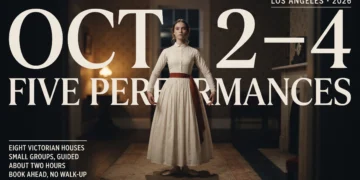
Little Women Ballet Autumn Immersive At Heritage Square Museum, October 2 To 4, 2026
The March sisters are back at Heritage Square Museum from tomorrow night through Sunday and you don't sit and watch...
Read moreDetails

Review of Giulia: The Poison Queen of Palermo reached for Sweeney Todd, and one pan ran under the headline that she’s no Sweeney Todd, and I think that comparison was lazy the first time and got lazier with repetition. Sweeney is a revenge tragedy about one man curdling into a monster. The Giulia Tofana story, whatever else Jennifer Nettles did or didn’t solve in telling it, is about a network of women trying to survive their own households, and the only things the two shows share are poison and a barber’s proximity to the neck. Grading Nettles against Sondheim because both wrote murder into a score is the kind of criticism that sounds rigorous and does no work. It also crowded out the more interesting conversation about what actually happened at the Perelman Performing Arts Center this summer, where the show opened July 10 and closed August 2 after selling well enough to push a week past its planned finish.
The fact that kept surprising people who wandered in on the Sugarland association: Nettles wrote the book, the music, and the lyrics, then played the title role, in a world premiere staged by Tony winner Mary Zimmerman with choreography from Austin McCormick. Her previous Broadway outings were replacement runs in Chicago and Waitress, which is apprenticeship work compared to arriving downtown with two and a half hours of your own material about a seventeenth-century poisoner and standing center stage while critics decide what you are.
The score sprawled toward thirty numbers and wandered across centuries on purpose, Baroque lines running into percussive pop and stretches of rap. “Welcome to Palermo” opened the night at full ensemble volume. An anthem called “Higher” played after the curtain call, when the audience was already applauding, which is either confidence or an inability to stop writing, and having listened to what people said about both, I’d guess it’s the second one and I mean that with some affection. Writers who overstuff a first musical are more fixable than writers with nothing to cut.
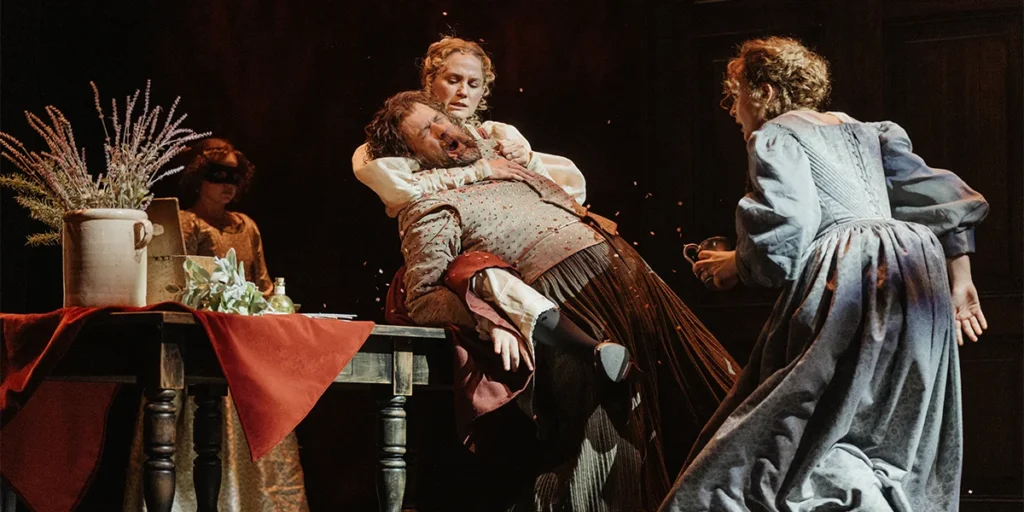
The history most of the audience didn’t know walking in. Tofana was a real Sicilian apothecary of the 1600s, and the surviving account holds that she sold a slow poison, hidden in vials among cosmetics and devotional oils, to women trapped with violent husbands, with a reputed toll that legend eventually inflated to 600 men. How much of that is record and how much is folklore is unsettled, and folklore is a fine place to build a musical, since nobody buys a ticket for footnotes.
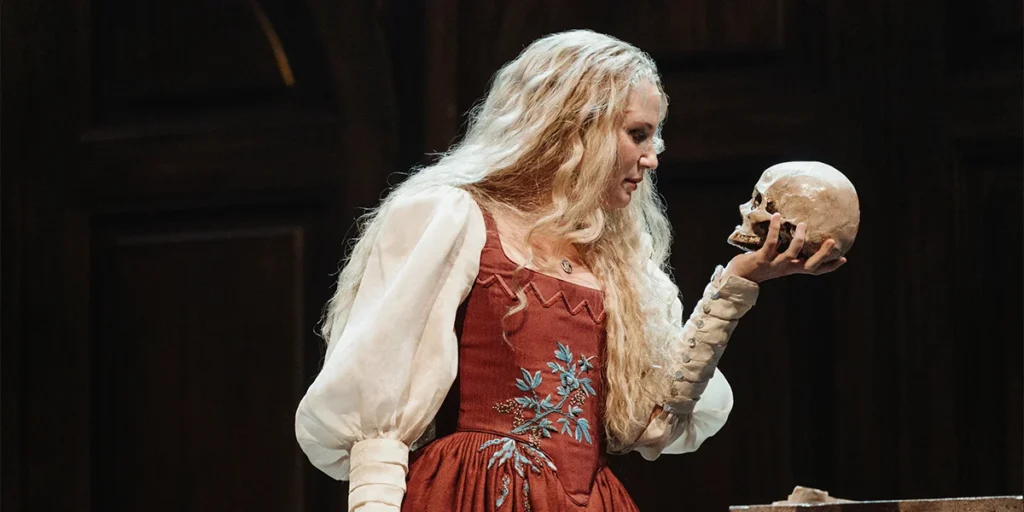
Nettles framed it as self-defense that spread. One act, then a sisterhood, then funerals in quantity, then the question of whether Giulia could hold the network together without becoming the thing the church already said she was. Emily Fink’s Maria and Andrew Kober’s Pietro carried the marriage plot, Bre Jackson played La Capitana, Didi Romero the Duchessa, Quentin Earl Darrington gave the Cardinale the institutional menace, with Naomi Serrano, Aubrey Matalon, Sam Simahk, Christopher M. Ramirez and Matthew Amira around them.
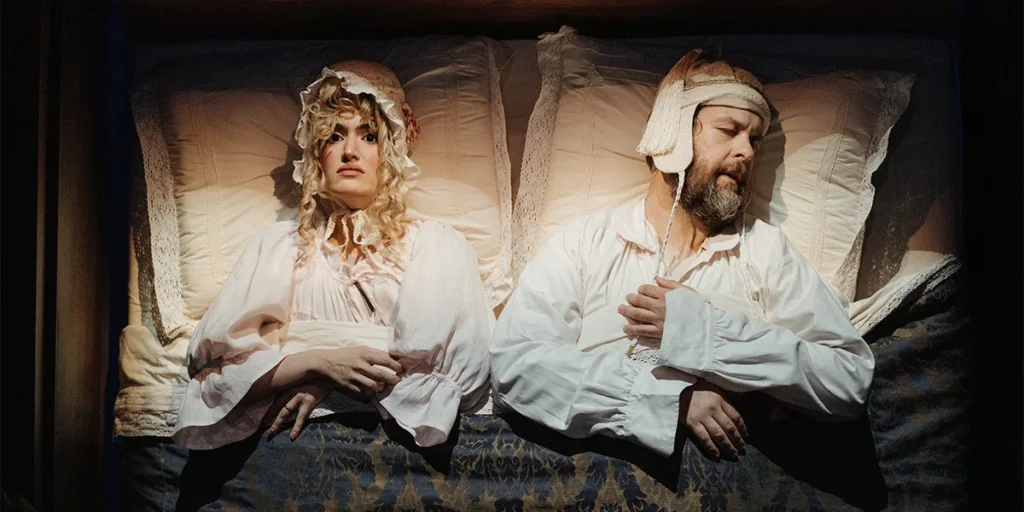
That bed tableau is the show’s tonal gamble in one frame, a wife staring at the ceiling next to a man the audience already suspects won’t reach act two, played for a laugh. Some viewers found the comic frame around dark material thrilling. Others found it queasy. I’ll commit: the queasiness was the design, and the reviews that dinged the show for tonal unevenness were describing its intention and calling it an accident.
Here is the sharper version of what the mixed reviews circled. The book tells you what to feel a beat after making you feel it. That’s a real flaw, it’s the most common first-musical flaw in existence, and eleven of twenty-one critics filing some version of “visually stunning, earnest book” were not wrong so much as redundant. The critics’ aggregate came out at 65. Paying audiences scored it 91. And the gap doesn’t mean one side was fooled. Critics graded the writing, audiences graded the evening, and an evening with a magnetic writer-star, a swing-for-everything score and a true story nobody knew is a good evening even when the second act over-explains itself.
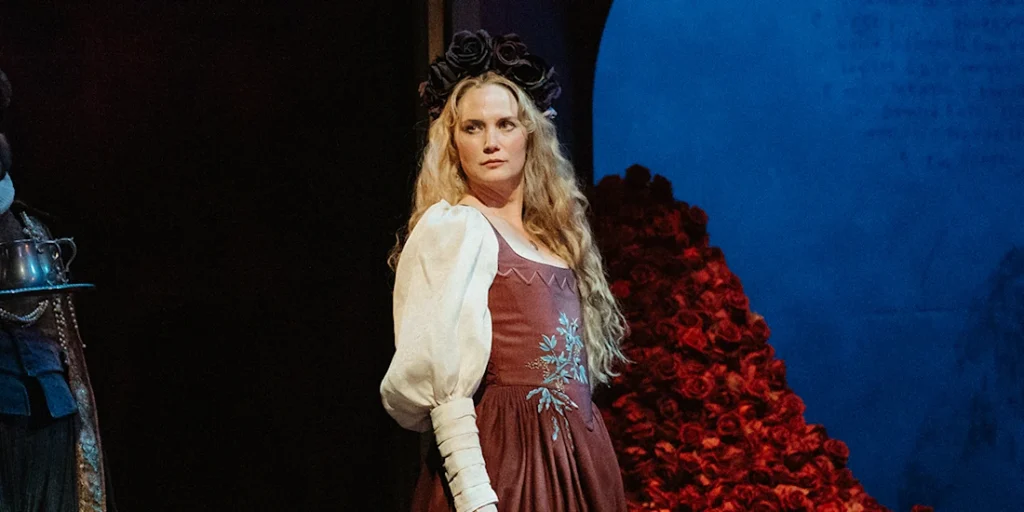
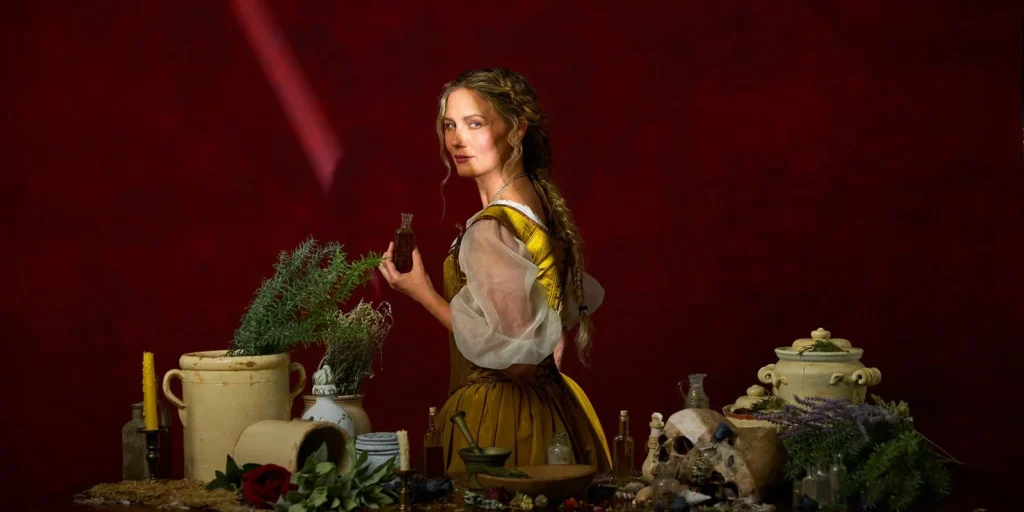
Zimmerman’s staging escaped the argument entirely. Her direction, Daniel Ostling’s sets and T.J. Gerckens’ lighting drew admiration up and down the scorecard, with Theater Scene calling the whole thing “a remarkable and resonant theatrical experience.”
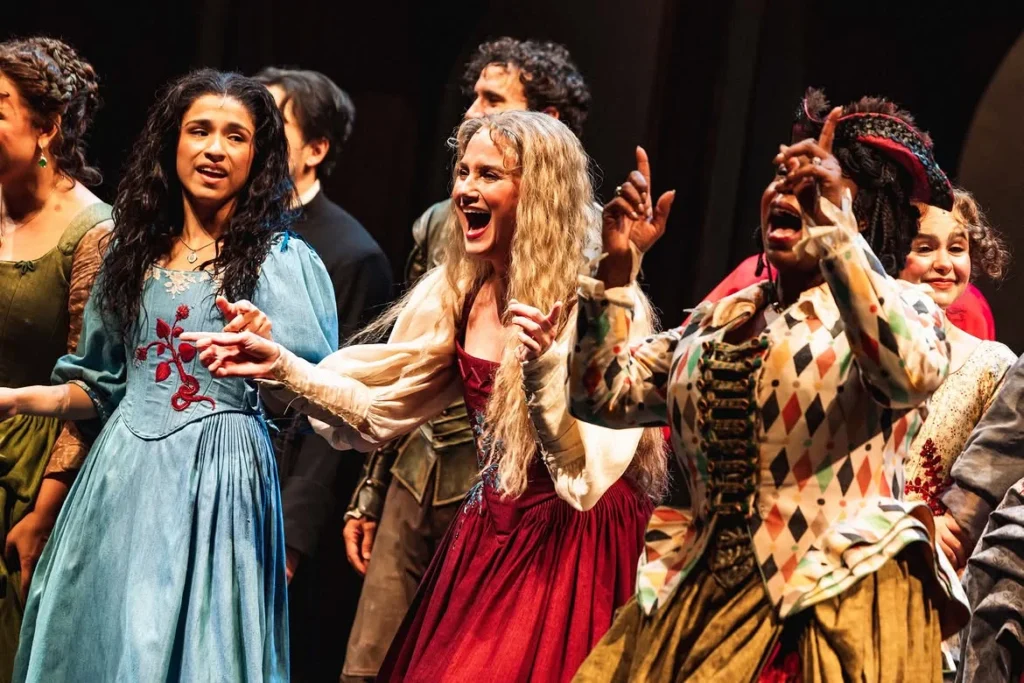
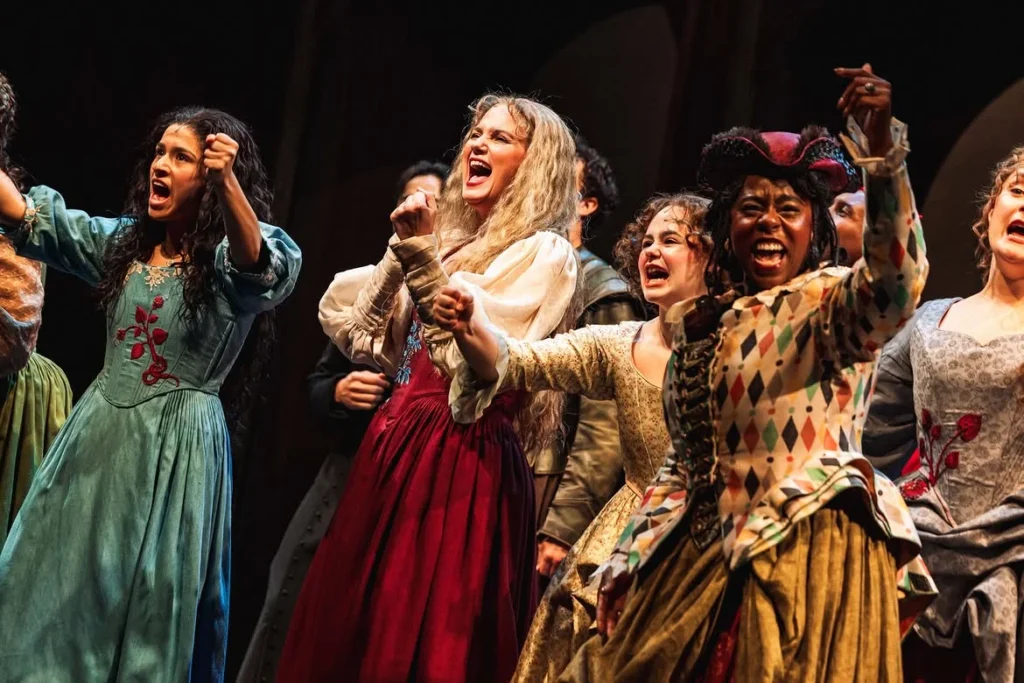
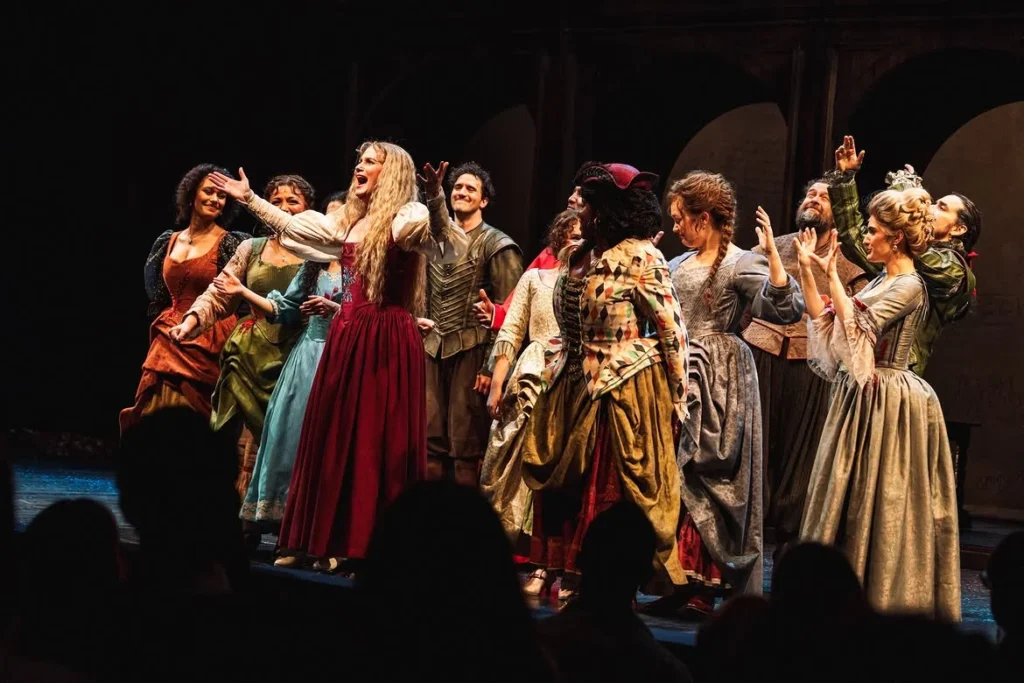
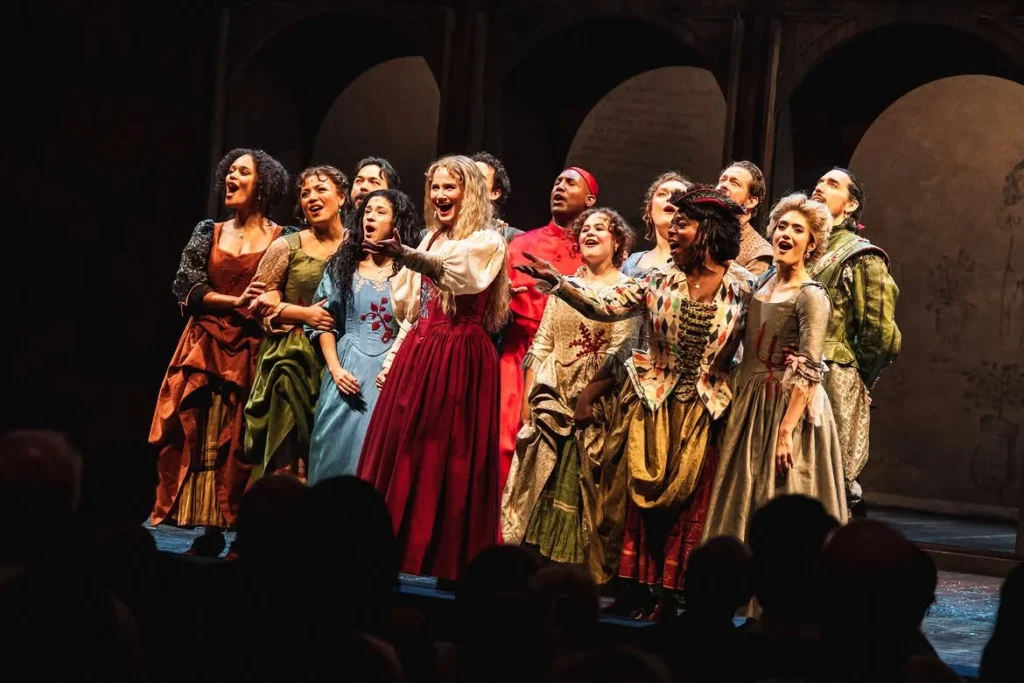
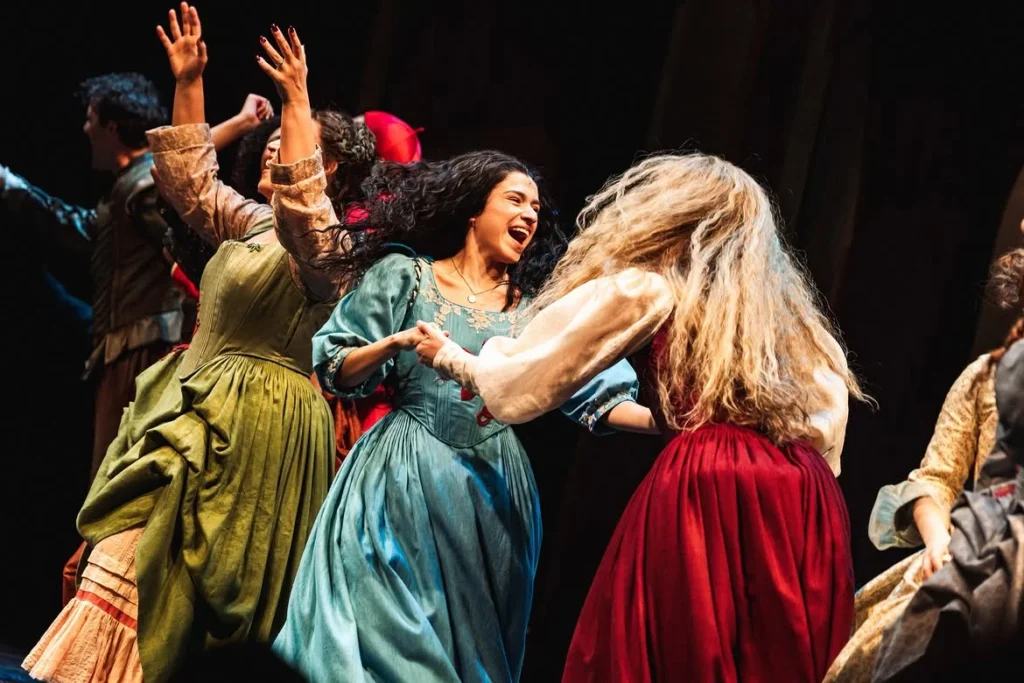
The run bracketed itself in parties, an opening that pulled the downtown crowd out in force and a closing the company played like a graduation.
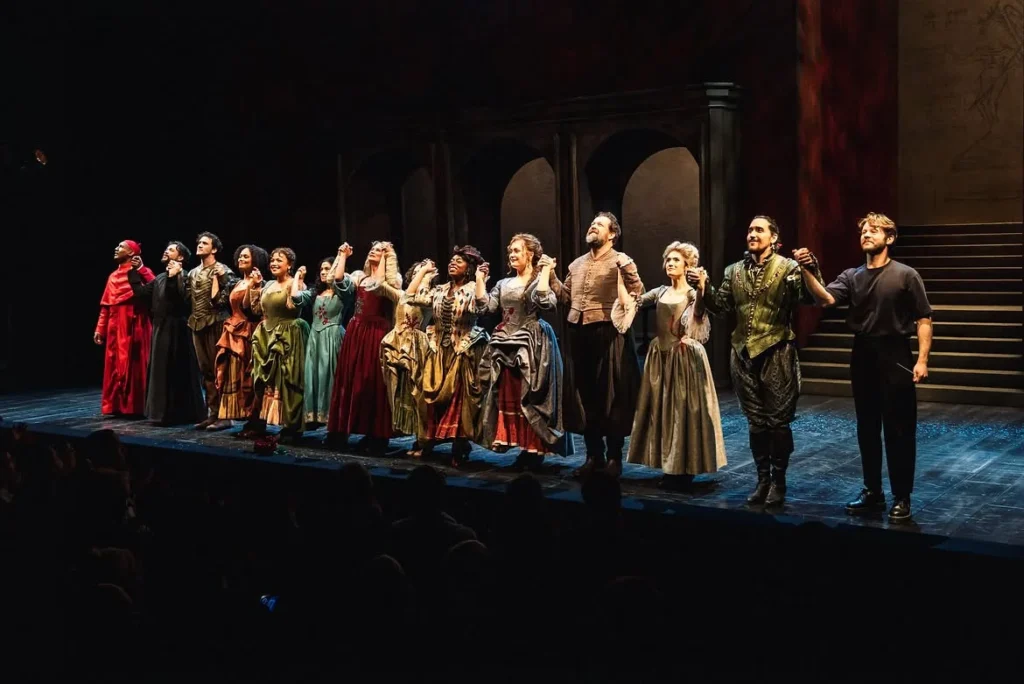
Nobody has announced a next life for the show and I won’t invent one. What I’ll say instead is what the summer’s evidence supports. PAC NYC launched Cats: The Jellicle Ball into the culture from this same building a season ago. A first-time theatre writer just ran an extended premiere there with audiences scoring her twenty-six points above the press, and the flaws on record are rewrite flaws, not foundation flaws. If this show never surfaces again, it will be the first time in a while that commercial producers left that particular pile of money sitting on a downtown stage.

The March sisters are back at Heritage Square Museum from tomorrow night through Sunday and you don't sit and watch...
Read moreDetails
Copyright © 2024 NoodleMagazine - All Right Reserved