
Open-Box Electronics: The Smartest Way to Buy Tech in Canada Right Now
Canadian tech buyers are in a squeeze. Prices on monitors, peripherals, and smart home gear keep climbing, the dollar isn't...
Read moreDetails
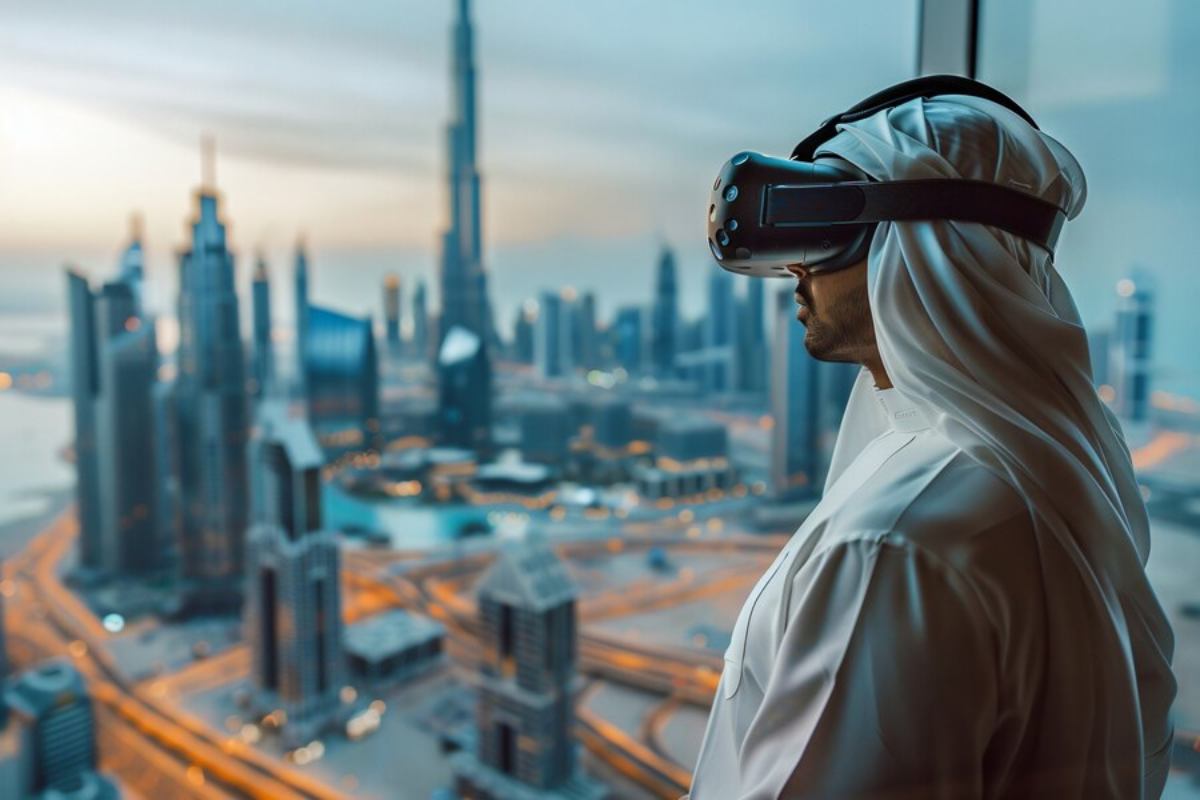
Kuwait’s Ministry of Finance flew to Seattle in December 2024 to sign a memorandum of understanding with Microsoft. On paper it was one MoU about upgrading financial systems. Twenty months later it looks more like the opening move of the country’s largest government technology program in decades, arriving at the same moment the wider Gulf is splitting into two very different theories of how a petrostate diversifies.
The December agreement, signed by Finance Undersecretary Aseel Al-Munifi with Microsoft public sector chief Angela Heise, set out a timeline for modernizing the ministry’s financial and administrative systems around AI plus cloud services. Then the scope kept widening:
The correspondence-system award is the detail worth pausing on. Government AI announcements in the Gulf tend to run years ahead of anything a citizen can touch. A working internal system winning a named award within a year of the MoU suggests this program has moved past the press-release stage into actual deployment, which regional observers do not take for granted.
None of this is glamorous technology. Correspondence routing, secure cloud landing zones for ministries, workforce training on productivity tools, biometric identity infrastructure that has already registered millions of residents through the Sahel services app and national ID programs. Administrative plumbing.
Plumbing is exactly what Kuwait’s public sector has needed. The country’s government processes have long been described, including by Kuwaiti officials themselves, as slow-moving and paper-bound, a genuine drag on the business environment the state says it wants. Kuwait Vision 2035, the national plan to turn the country into a regional financial and commercial hub, treats digitization as a load-bearing pillar rather than decoration, because bureaucratic friction is one of the few problems Kuwait can fix without touching oil markets it cannot control.
Whether the momentum holds is the fair question. Kuwait’s political system has a history of stalling large reform programs and an MoU is a map rather than a road. What the Microsoft timeline shows so far is unusual follow-through by the standards of past efforts.
The regional context makes Kuwait’s choices sharper. Every Gulf state is running some version of the same play, use the oil years to build a post-oil economy, but the plays now diverge in one visible place: commercial gaming.
The United Arab Emirates created a federal regulator, the General Commercial Gaming Regulatory Authority, in 2023, staffed leadership with veterans of US gaming commissions, licensed a national lottery in 2024, then issued the region’s first casino operator license in October 2024 to Wynn Resorts for the Wynn Al Marjan Island resort in Ras Al Khaimah. The project is a roughly $5 billion integrated resort, topped out at 70 stories in December 2025, targeting a 2027 opening, with a gaming floor reported larger than the one at Wynn Las Vegas. In June 2026 the UAE went further, removing gambling references from federal civil law and consolidating oversight under the regulator, while reports indicate MGM has pursued a license in Abu Dhabi. The UAE’s bet is that regulated resort gaming anchors a tourism economy and pulls existing illicit activity into a supervised, taxed channel.
Kuwait’s position is the opposite and has not moved. Gambling is prohibited under Kuwaiti law, which is grounded in Islamic legal principles and no framework, regulator or licensing debate exists there. That is a deliberate policy stance, not an oversight. The state’s case for the prohibition rests on legal and religious consistency, on the social costs documented in mature gambling markets and on a view that diversification should run through finance, logistics, technology and trade rather than sectors in conflict with the country’s legal foundations. The Microsoft program is that argument in practice: modernization aimed at the sectors the state actually wants.
So the Gulf now runs a live experiment. One model treats commercial gaming as a diversification engine and accepts the regulatory and social management that comes with it. The other rules the sector out entirely and pushes the same diversification pressure into government efficiency, financial services and digital infrastructure. Both models spend heavily. Both answer to the same deadline, the long decline of oil dependence.
Which approach produces a stronger economy in twenty years is genuinely unknown and anyone claiming certainty is selling a position. What can be said today is narrower. Kuwait’s technology program is further along than skeptics of Kuwaiti reform expected two years ago, the UAE’s casino experiment opens in 2027 and the region will get to watch both answers to the same question run side by side in real time.

Canadian tech buyers are in a squeeze. Prices on monitors, peripherals, and smart home gear keep climbing, the dollar isn't...
Read moreDetails
Copyright © 2024 NoodleMagazine - All Right Reserved