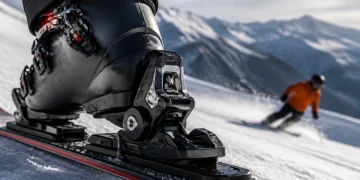
The Impact of Advanced Ski Bindings on Winter Sports Safety and Performance
Most skiers obsess over skis. Boot fit gets some attention too, usually after a painful first day. Bindings? They're an...
Read moreDetails

Modern sports equipment has evolved dramatically from its past forms. Rather than being concerned with aesthetics or brand identity, it is now primarily concerned with creating a natural feeling for the athlete while providing additional protection and control. This evolution in equipment design is taking two paths – to make each product both light (without compromising strength) and smart (while remaining non-distracting). As a result, this new generation of products will provide athletes with faster movement capabilities, quicker reaction times, and increased training confidence.
Most innovative development is happening in the materials themselves. To date, manufacturers have been using traditional materials (heavier plastics and metals) as their base. As they develop new composite materials, these will be able to absorb shock while remaining very light. The difference this makes in how athletes compete is that less energy is required to move when wearing lighter protective headgear or shoes/cleats. Companies developing lightweight varsity football helmets are pushing sports safety technology in a new direction. Lighter protective gear means less fatigue in long periods of use, be it from a game or heavy training. Deficient in weight, notwithstanding a hunting ground stamp diminishing the measure of the protective rigging worn, can cause speedier changes to safeguard control or feel that there has already been an explosion over delicate spots and cells. All of those are things that athletes can instantly relate to.
The smartest sports equipment will be that which the athlete has almost no awareness of when they use it. Sensors are currently being integrated into sports equipment so that coaches can observe the athlete’s movements as well as their physical condition and performance trends in real-time. These trends can help a coach evaluate which aspects of an athlete’s movement need improvement before injury. Additionally, some systems have sensors capable of detecting abnormal forces caused by impacts and suggesting the amount of rest an athlete should receive.
Year after year, this technology is continuing to become less noticeable for the end user, but more profound for the sport.
Athletes have always adapted to their equipment. Now, equipment is adapting to athletes. Custom-fit technology is rapidly advancing, driven in large part by advances in 3D scanning and precision manufacturing. This has allowed for designed or moulded gear that can be tailored to one specific body, as opposed to making athletes fit pre-designed shapes. This improvement in natural athlete movement provides both performance and comfort enhancements.
Sports technology has been looking very promising for the future, as innovation is now focused on the athlete experience. At all levels of competition, lighter products, smarter tracking systems, and greater responsiveness from protective gear are creating new ways to compete in sports.
It’s no longer about flight and physics, but improving equipment for athletes with performance, fit, and protection while on the move. It is that equilibrium that will enable the next wave of consumer and enterprise sports technology to be revolutionary yet pragmatic. The big win is that these technologies not only improve performance, making athletes better, but they’re delivering better safety outcomes too.

Most skiers obsess over skis. Boot fit gets some attention too, usually after a painful first day. Bindings? They're an...
Read moreDetails
Copyright © 2024 NoodleMagazine - All Right Reserved