Your Bathroom Fan Is Why the Vanity Is Swelling
Quick answer: the exhaust fan is the only thing standing between your shower steam and every surface in the bathroom,...
Read moreDetails
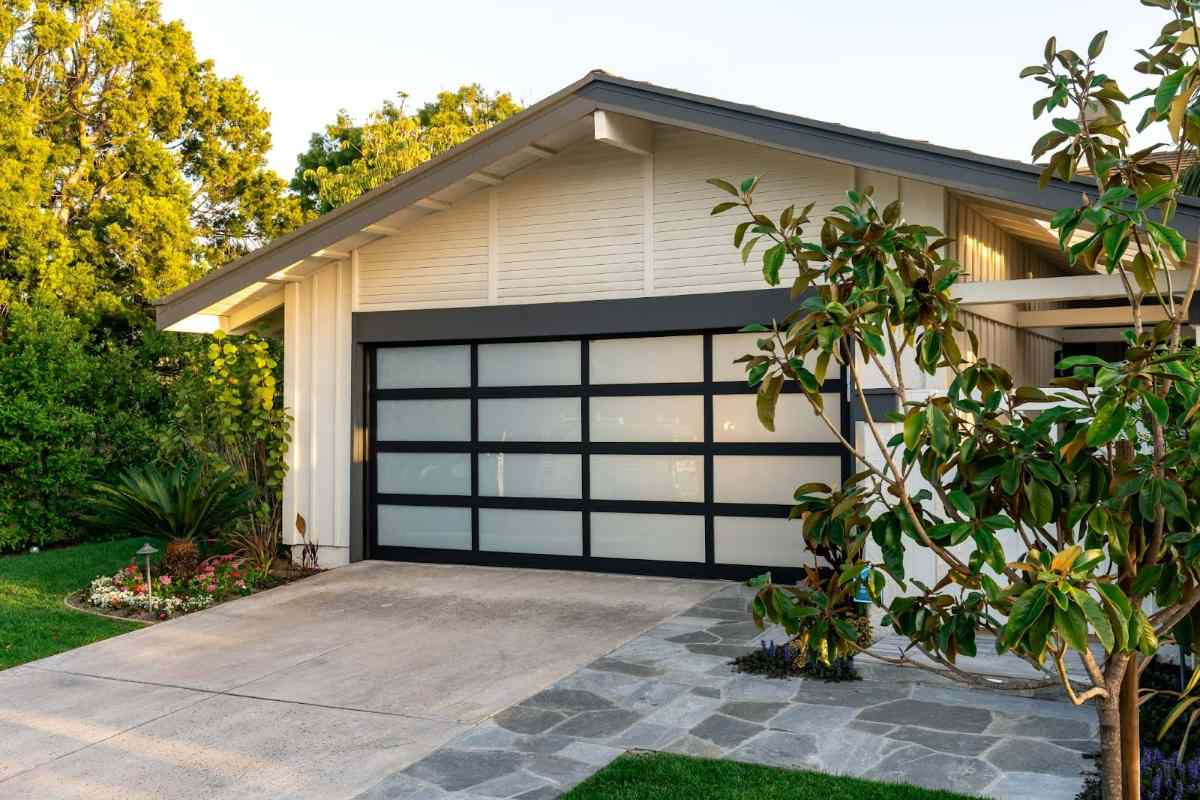
A garage door is usually the largest single surface on the front of a house, which makes it the one exterior choice with the most visual weight and, oddly, the one people think about least. Material decides most of it. Not just how the door looks on day one, but how it ages, what it asks of you and whether it still opens smoothly in eight years.
Five styles cover almost everything being installed on modern homes right now. Here’s what each one is genuinely like to live with.
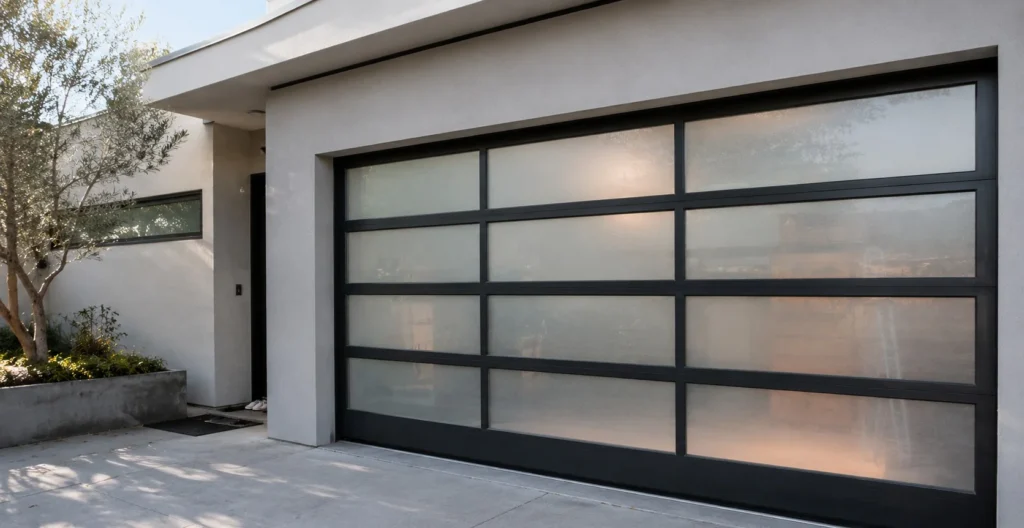
Large glass panels set in an aluminium or steel frame. It’s the style that reads most obviously modern and the one that changes the garage interior most, because a dark box becomes a usable, daylit room.
The glass can be specified frosted, tinted or obscured, which matters more than people expect. Clear glass on a garage that holds bins, bikes and a chest freezer is a decision you regret quickly. Frosted gives you the light without the display.
The trade-offs are real. Glass is the weakest performer on insulation, so if the garage is attached and you care about the temperature bleeding into the house, this is the wrong starting point unless you’re paying for insulated glazing. It shows every mark and the framing means more cleaning than a flat panel. It’s also the most vulnerable to breakage, which is worth weighing if the door faces a road or a cricket-loving household.
Best on genuinely contemporary architecture — flat roofs, clean lines, mid-century. On a traditional facade it tends to look like a mistake rather than a contrast.
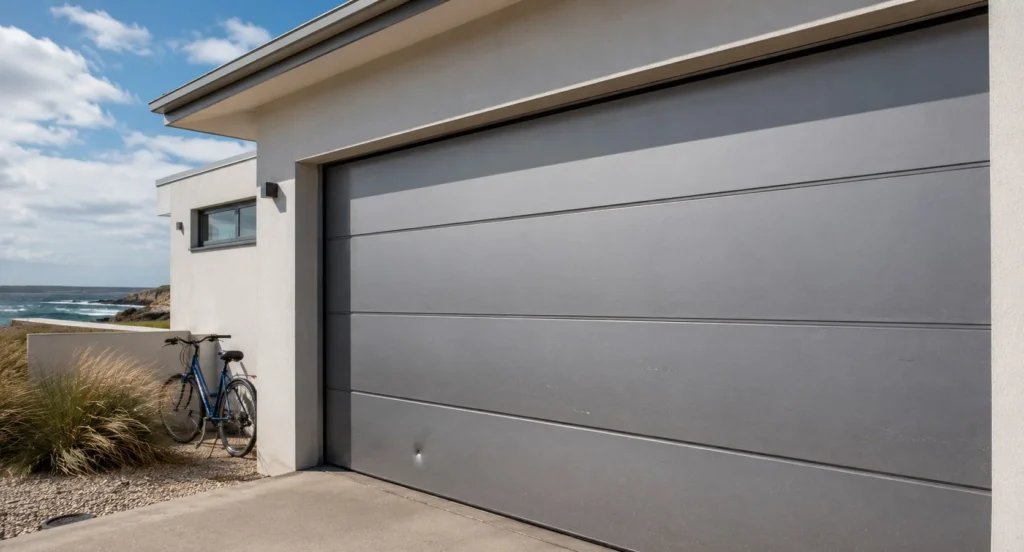
Aluminium without the glass gets less attention and deserves more. It’s light, which is the underrated quality here: less mass means less strain on the opener, less wear on springs and cables and a door that’s easier to move by hand when the power’s out.
It’s real advantage is corrosion. Aluminium doesn’t rust and in coastal air, where salt eats steel from the edges inward, that’s not a minor preference. If you’re near the water, this is the material that ages best with the least intervention.
What you give up is dent resistance. Aluminium marks more easily than steel — a reversing car, a bike handlebar, a stray football all leave evidence and dents in aluminium tend to stay dented. Insulation is also limited compared with an insulated steel door.
Suits modern and industrial exteriors and anywhere the maintenance budget is realistically going to be zero.
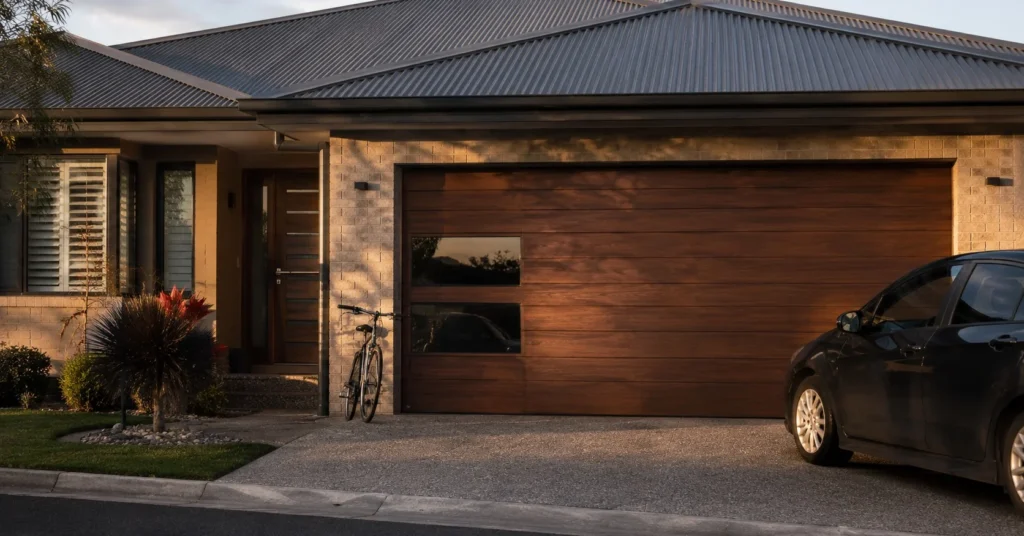
Nothing imitates real wood convincingly at close range and if the door is fifteen feet from where people walk to your front door, that matters. Cedar, mahogany and redwood are the common choices, in large flat panels or with glass inserts.
Wood is the only material on this list with genuine warmth and it takes stain and paint in a way the others can’t. It also has the highest ceiling — a well-made wood door on the right house looks expensive because it is.
The maintenance is not optional and it’s the thing people underestimate. Sealing and refinishing on a cycle, more often on a south-facing elevation or in a wet climate and neglecting it doesn’t just look bad, it lets moisture in and the damage compounds. Wood swells, warps and rots when it isn’t looked after. It’s also the heaviest option, which puts more demand on the opener and the hardware over time.
Right for craftsman, modern farmhouse and contemporary homes built around natural materials and right for owners who will actually do the upkeep rather than intending to.
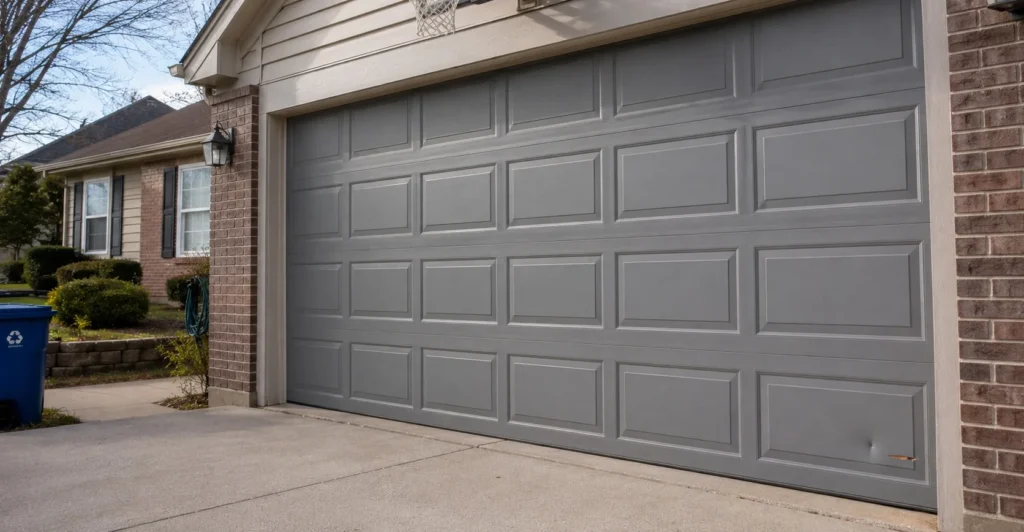
The default for good reason. Steel is strong, holds it’s shape through weather that warps other materials and takes insulation better than anything else here, which makes it the sensible pick for an attached garage where the temperature matters.
It’s also the most versatile visually. Steel is manufactured in enough finishes and panel profiles to sit convincingly on a minimalist house or a conventional one, which is not true of glass or wood.
Two weaknesses worth knowing. Steel dents and a dent isn’t only cosmetic — once the coating is broken, that spot will rust, so scratches want touching up rather than ignoring. And steel is heavy, particularly insulated steel, so the opener needs to be matched to it. Undersizing the opener is a common and expensive mistake.
Warmth is the other thing it lacks. Steel is a practical material and it looks like one, which is either fine or a dealbreaker depending on the house.
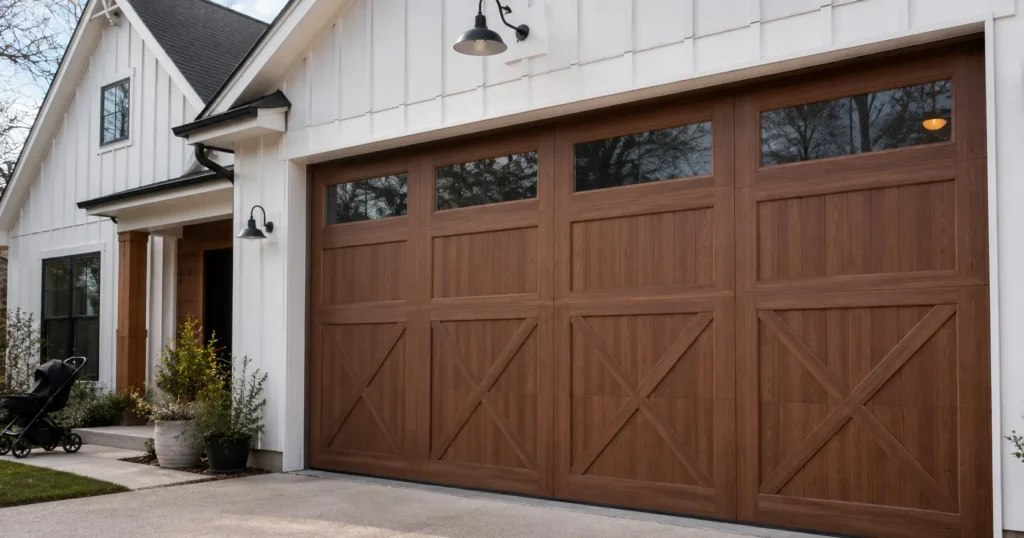
Composite or steel with a wood-grain finish. The pitch is obvious — the look of wood, none of the refinishing — and for a lot of houses it’s the correct answer rather than a compromise.
It holds up where real wood struggles. No sealing cycle, no rot, no insect damage and far less movement in response to damp and temperature swings. On a steel core, you also get the insulation option that real wood can’t easily match.
Where it falls down is proximity. Faux wood is convincing from the street and less convincing from three feet away and grain patterns can repeat in a way real timber doesn’t. If your door is right beside the front path, look at samples in person before committing.
Works across contemporary and traditional exteriors and it’s the pragmatic middle for anyone who wants the wood look and knows themselves well enough to admit they won’t be refinishing anything.
Work through it in this order and the decision usually makes itself.
Whichever way you go, the installation matters as much as the door. Balance, spring tension and track alignment determine whether it runs quietly for a decade or starts binding in a year and this is genuinely not a job for a keen weekend. If you’re in Orange County, Best Garage Door Repair and Service in Laguna Niguel handles this kind of fitting and can tell you what a given material will actually do in local conditions before you commit to it.
The doors that still look right after ten years are almost never the ones chosen purely on the showroom photograph. They’re the ones matched to the weather they stand in and the amount of attention their owner was ever realistically going to give them.

Quick answer: the exhaust fan is the only thing standing between your shower steam and every surface in the bathroom,...
Read moreDetails
Copyright © 2024 NoodleMagazine - All Right Reserved