Watch New York Fashion Week Shows From Home, February 10 To 14, 2027
Runway 7 is bringing it's New York Fashion Week shows back to Sony Hall from Wednesday, February 10 to Sunday,...
Read moreDetails
Somewhere in my closet there is a suit I paid too much for. Not a little too much. The kind of too much where you avoid doing the math afterward. I bring it up because every guide to men’s luxury fashion is written as if the reader will only make good purchases from here on out and that has never once been how anyone learns this stuff. You buy wrong a few times. The wrong purchases teach you faster than the right ones.
So this is a guide organized around the mistakes, roughly in the order I made them.
It tracks for a while. Real cloth hangs differently, good leather ages instead of cracking, a canvassed jacket moves with you where a fused one fights back. Nobody who has worn both goes back happily.
But the tracking stops way earlier than the price tags do. The gap between a cheap suit and a well-made one is huge. The gap between a well-made one and one costing four times more is mostly the name inside the collar, plus maybe better buttons. My overpriced suit sits in that second gap. A tailor I trust later looked at the construction and shrugged, which cost me nothing and hurt more than the receipt did.
Where does the line sit exactly? Depends on the garment, the maker, the year, honestly on things I still can’t always read. The workable rule I ended up with: pay for construction you can point to, not for a story.
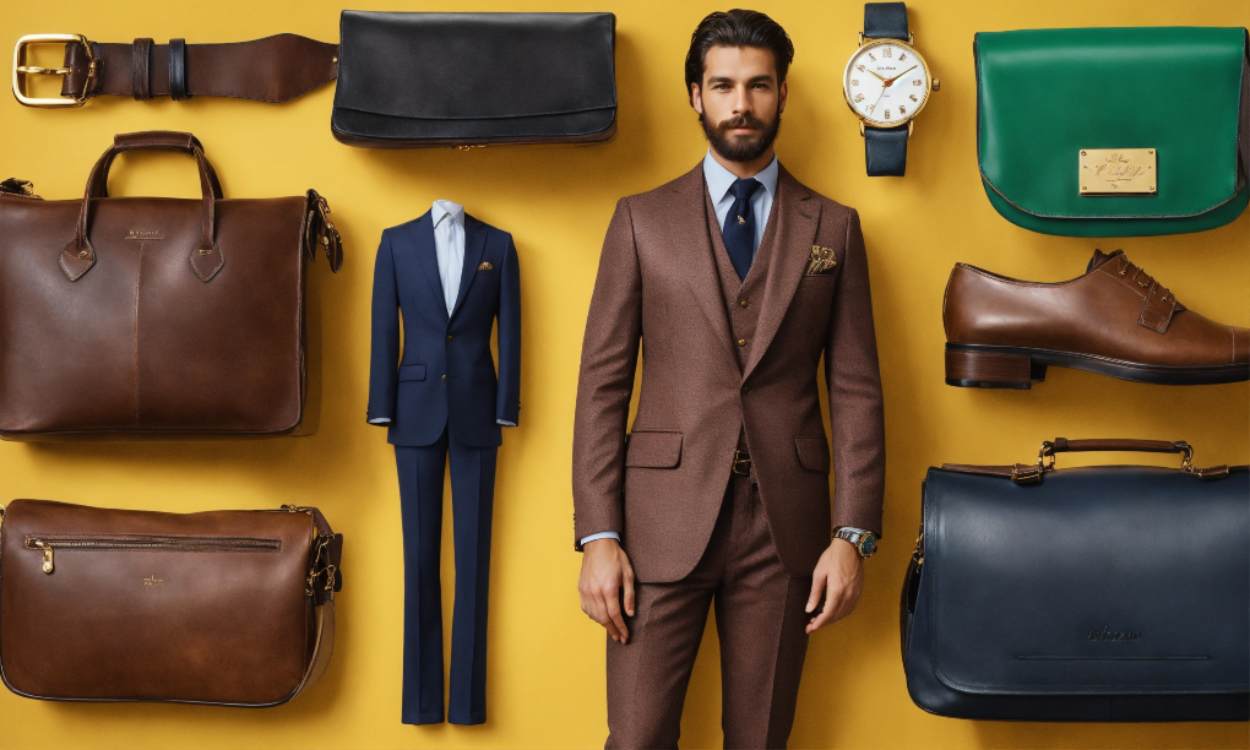
A navy suit before anything else. Weddings, interviews, funerals. Then a wool overcoat, since it goes on top of everything for months a year and shows up in every winter photo taken of you. A couple of white dress shirts, because fit shows there more than anywhere. Brown leather Oxfords or loafers that can be resoled, since resoling is the whole economic argument for good shoes. Somewhere in there, a watch on a leather strap.
That list is dull. Dull was the point for me after the suit incident. The pieces that embarrass you in photos ten years later are never the plain ones.
I want to say something about ties here but I keep going back and forth on whether anyone under forty needs more than two, so I’ll leave it.
Backwards, completely. A tailoring bill of thirty or forty dollars makes a mid-priced shirt fit better than an untouched expensive one, which means the cheapest upgrade in menswear is a person with pins, not a brand. Took me years to accept this because tailoring feels like admitting the clothes were wrong, when really no garment off a rack was cut for your specific shoulders.
Same logic rescued my budget generally. One considered piece a year instead of five rushed ones. Resale platforms plus consignment shops, where lightly worn luxury sells for fractions and a maker who builds for decades has left most of the lifespan in the garment. End-of-season sales when the timing cooperates. And mixing levels freely, an expensive coat over a cheap tee works fine. The reverse combination, cheap coat over expensive tee, buys you nothing visible, which tells you something about where money shows.
I spent years annoyed at designer sneakers. Several hundred dollars for shoes on the same rubber as mall brands, plus the chunky ones, the Triple S school of design, looked to me like orthopedic equipment with a marketing team. Some of them still do.
What wore me down was trying on a minimal white leather pair. No logo shouting, dress-shoe finish, none of the stiffness. They worked with jeans, worked under a suit in the right room, worked in the creative-office middle ground where actual dress shoes now read as trying too hard. I wear them constantly and feel mildly hypocritical about it, which I’ve decided is an acceptable way to live.
If you go this direction, the minimal styles carry their price through versatility. The loud ones are a bet that the current aesthetic survives and fashion bets age the way my suit did. Also, whatever a reseller tells you, sneakers are not an investment. Shoes you wear lose value. That is the deal with shoes.
Counterfeits got good the same years prices got absurd, so where you buy matters nearly as much as what. My own routine got simple: check the price at the source first, the men’s designer sneakers page on Versace’s site for instance if that’s the house in question, since retail there is at least definitionally retail, then judge any discount elsewhere against that number. A discount deeper than the outlet math supports is answering a question you didn’t ask.
Department stores, Nordstrom, Saks, still earn their place for one reason: trying things on. Sizing across luxury houses is chaos, a 10 in one brand is a 10.5 in another, no chart resolves it. For discontinued or rare styles the authentication platforms, GOAT, Stadium Goods, Flight Club, check what passes through them, though hyped styles there can price above retail. I walk away at that point. Wanting a shoe more than the person who set that price wants your money is a losing position and there is always another shoe.
Care is the last unglamorous piece. Cedar for the shoes, proper hangers for the tailoring, follow the cleaning labels on anything delicate. Expensive things kept badly become cheap things fast. The overpriced suit, for what that story is still worth, gets worn maybe twice a year now, kept mostly as tuition.

Runway 7 is bringing it's New York Fashion Week shows back to Sony Hall from Wednesday, February 10 to Sunday,...
Read moreDetails
Copyright © 2024 NoodleMagazine - All Right Reserved