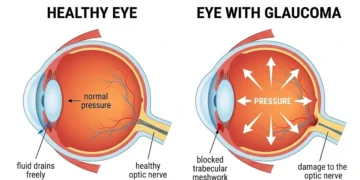
Glaucoma Takes Your Sight Without Telling You, And Your Own Brain Helps It Hide
You trust your eyes to complain when something is wrong. Something gets in, they water. Too bright, you squint. That...
Read moreDetails

One in six people experience infertility at some point in their lives. The stress that comes with treatment, IVF cycles, hormone injections, repeated clinic visits, financial pressure, and uncertain outcomes, falls on both partners but not equally.
A study of 352 women and 274 men at infertility clinics in northern California found that 56% of women and 32% of men reported significant depression symptoms. Anxiety was higher, 76% of women and 61% of men. A separate assessment of 122 women before their first clinic visit found 40% diagnosable with anxiety, depression, or both.
A 2024 review published in Fertility and Sterility, covering ten years of global research, confirmed that anxiety, depression, and reduced quality of life are consistently present across the infertility experience for both men and women.
Women carry a heavier psychological burden during treatment. A 2024 study on couples undergoing assisted reproductive technology found significantly higher depression, anxiety, and stress levels in women compared to men. Women undergo the physical procedures, hormone injections, egg retrievals, embryo transfers, regardless of which partner carries the diagnosis.
A 2025 study published in the Journal of Men’s Health confirmed that male factor infertility has measurable effects on anxiety, depression, and sexual function. Men report less, but the impact is documented.
The medications used during IVF, clomiphene, leuprolide, gonadotropins, carry side effects including mood swings, irritability, and depression. Distinguishing between emotional distress about infertility and drug-induced mood changes becomes difficult during active treatment cycles.
A 2025 study published in Clinical and Experimental Reproductive Medicine found measurable increases in sexual dysfunction alongside anxiety and depression in women undergoing fertility treatment. Research has also documented that marital satisfaction shifts after the first treatment cycle, partly driven by increased sexual dissatisfaction.
IVF is expensive. Most couples go through multiple cycles. Each failed cycle represents both a financial loss and an emotional one. For couples pursuing paths like IVF with egg donation, the costs run higher, and the emotional weight includes processing the absence of one partner’s genetic contribution, a specific form of grief that sits alongside the broader strain of treatment.
Infertility and its treatment are frequently kept secret from family and friends. A 2024 study from Harvard-affiliated researchers noted that couples undergoing fertility treatment often hide the process even from close family members, cutting themselves off from support systems during a period when they need them most.
Research published by the South Florida Law Group, drawing on multiple studies, found that couples who shared their infertility struggles with close family or friends isolated themselves less than those who kept it entirely private.
Researcher Lone Schmidt at the University of Copenhagen followed 2,250 fertility patients over several years. Many couples reported that treatment strengthened their relationships because it forced improved communication and coping strategies. Dr Mariana Martins from the University of Porto, whose research covered 42,845 Danish women over 16 years, reached a similar conclusion, going through assisted reproduction can bring benefit to a couple’s relationship when they actively work on communication.
A comprehensive review published in Dialogues in Clinical Neuroscience found that psychological interventions during fertility treatment were associated with decreases in depression and, in some cases, increases in pregnancy rates. Fertility clinics that integrate counselling into the treatment process rather than offering it as an optional add-on see better emotional outcomes.
A study of 47,500 Danish women published in Acta Obstetricia et Gynecologica Scandinavica found that couples who did not have a child after treatment were three times more likely to divorce than those who did. That increased risk persisted for up to 12 years after the initial fertility evaluation.
A larger Danish cohort study, 42,845 women tracked over 16 years, found that fertility treatment itself did not increase the overall risk of divorce. Roughly 20% of couples who went through treatment separated, compared to 22% from the general population .
A 2023 US-based study published in Demographic Research found that undertaking fertility treatment was associated with a lower risk of divorce. The researchers noted that couples who pursue treatment tend to already be in relatively stable relationships before starting.
The stress of fertility treatment is documented, measurable, and unevenly distributed between partners. Couples who communicate openly about it, access professional psychological support during treatment, and maintain connections outside the relationship handle it better than those who don’t. The research is consistent on that.

You trust your eyes to complain when something is wrong. Something gets in, they water. Too bright, you squint. That...
Read moreDetails
Copyright © 2024 NoodleMagazine - All Right Reserved