Budgeting an Interstate Move: The Numbers to Sort Before the Boxes
Moving states costs most Australian households somewhere between $2,000 and $6,000 for the transport alone, before stamp duty, storage or any of...
Read moreDetails
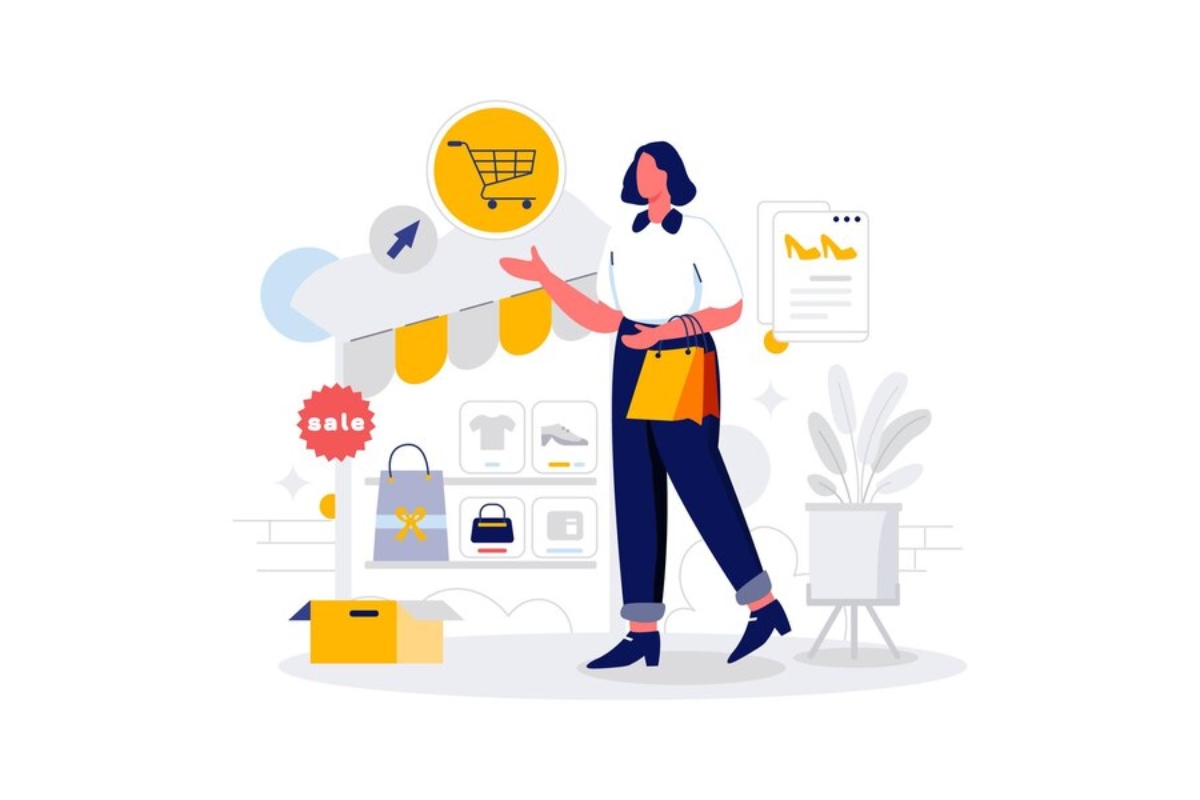
Most branded merchandise ends up in a drawer. The conference tote, the logo pen, the cheap t-shirt in a size nobody asked for, all of it produced on the theory that putting a logo on an object makes it marketing. It doesn’t. The merch that works does something different and more specific: it gives someone a way to say something about themselves. That’s the whole mechanism and it explains why a Patagonia fleece and a Red Bull cap function as identity while an identical-quality shirt with your logo on it goes straight to the charity shop. Understanding that difference is the difference between merch that builds loyalty and merch that costs you money.
Nobody puts on a branded item purely to help a company advertise. They wear it because of what it signals, about their taste, their values, the tribe they belong to. That’s why the successful examples are so consistent about what they’re actually selling.
Patagonia is the cleanest case. It’s merch works because wearing it says something the wearer wants said, that they care about the environment and buy accordingly. The product is a vehicle for a value the customer already holds. Red Bull’s branded gear does the same thing in a different register, signaling an adventurous, high-energy identity built through years of extreme-sports association. Nike’s apparel functions as a lifestyle statement rather than sportswear. And Starbucks’ limited-edition mugs and tumblers work on a third mechanism entirely, scarcity and collectibility, turning drinkware into something people actively hunt rather than passively receive.
In every one of those cases the customer wants the object for their own reasons and the branding rides along. That’s the flip that separates merch that gets worn from merch that gets binned. Ask not “how do we get our logo out there” but “what would someone actually want and what does carrying it say about them.”
Worth being blunt about a limit here, because it’s where a lot of merch budgets get wasted. Merchandise amplifies a brand people already feel something about. It cannot manufacture that feeling from nothing.
The Harvard Business Review’s Barwise and Meehan make the underlying point about branding generally: the fundamentals are offering a clear customer promise, building trust by reliably delivering on that promise and improving on it and no amount of new-channel activity substitutes for getting that right. Merch is downstream of that. If your product experience is mediocre, a nice tote won’t fix it, you’ve just paid to put your name on something that reminds people of a mediocre experience. Patagonia’s merch works because Patagonia’s actual behavior backs the claim it’s merch makes. Get the promise right first, then the merch becomes an amplifier rather than a costume.
Setting identity aside for a moment, there’s a practical filter that predicts survival rate better than any design decision: would this person have bought this object or something like it, anyway?
Items that pass tend to share traits. They’re genuinely useful in daily life, they’re good enough quality that using them isn’t a compromise and the branding is restrained enough that the wearer isn’t turned into a billboard. That last one is underrated, subtle branding gets worn far more than a chest-sized logo, because people will carry your name if it doesn’t cost them their own aesthetic.
Two categories consistently earn their keep for that reason:
The broader shift worth building around is that customers increasingly expect experiences shaped to them rather than mass-produced, a pattern that shows up across consumer sectors and that businesses are actively adapting to. Applied to merchandise, that means the generic-logo-item approach reads as increasingly dated, while merch that feels specific, to a moment, a community, a limited run or the individual customer, does the emotional work.
This is exactly why Starbucks’ limited editions outperform it’s permanent line and why a piece tied to a specific event or milestone gets kept while a generic one doesn’t. Specificity is what makes an object feel like it belongs to the person holding it rather than to the company that printed it.

Moving states costs most Australian households somewhere between $2,000 and $6,000 for the transport alone, before stamp duty, storage or any of...
Read moreDetails
Copyright © 2024 NoodleMagazine - All Right Reserved