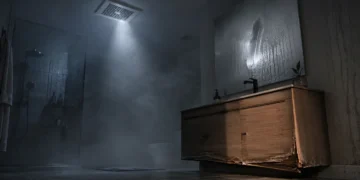
Your Bathroom Fan Is Why the Vanity Is Swelling
Quick answer: the exhaust fan is the only thing standing between your shower steam and every surface in the bathroom,...
Read moreDetails

Most people don’t touch their plumbing until water starts coming out the wrong way. Brown, slow, smelling off by then, something’s been building for a while. A routine visit from a local plumber isn’t a luxury thing. It’s the difference between catching a pipe problem early and drinking the result of one you didn’t. Through this article, you will learn how plumber near me regular maintenance by professional plumbers can vastly improve the quality of water in your home.
If your home was built before 1986, there’s a real chance lead is still somewhere in your plumbing — and it’s getting into your water. The 1986 Safe Drinking Water Act amendments banned lead pipes in the future, but nobody came around to replace what was already in the walls. Copper pipes aren’t off the hook either. Corroded copper raises copper levels right at your tap — something the EPA’s Lead and Copper Rule monitors at the treatment plant, not inside your house.
A plumber who checks pipe condition and tests water at the tap is covering ground that the municipal system simply doesn’t.
Sediment collects at the bottom of water heaters and creates exactly the kind of warm, undisturbed environment where Legionella bacteria thrive. The CDC flags poorly maintained water heaters specifically in its Legionella prevention guidance. This isn’t a rare edge case; it’s a documented pattern in residential systems that go years without servicing.
Flushing the tank annually clears that sediment. Checking the anode rod — which stops the tank walls from corroding — is the other half of it. Skip both long enough, and rust starts traveling through your hot water lines.
Biofilm builds up inside showerheads and aerators, and most homeowners never think to clean them. Feazel et al. (2009), published in PNAS, found nontuberculous mycobacteria in showerhead biofilm samples, with plastic fixtures carrying higher bacterial loads than metal ones.
Plumbers clean and replace these during maintenance visits. It takes minutes. Most people wait until they notice reduced water flow, which means the buildup’s already well established.
Chronically high water pressure wears down pipe joints faster than normal — more wear means more surface area for corrosion, and more corrosion means more of what you don’t want in your water. Pressure regulators fail quietly. No alarm, no obvious symptom until a joint goes.
A plumber testing pressure and checking the regulator catches this early. Without that check, you’d have no way of knowing.
An expired filter doesn’t just stop working — it can push concentrated contaminants back into the water it was supposed to clean. Carbon filters, RO membranes, UV bulbs — all of them have replacement schedules that actually matter.
NSF International’s certification standards outline what each filter type is actually rated to remove. A plumber who knows these standards can tell you whether what’s installed in your home is addressing the contaminants in your specific water supply, not just what looked good on the packaging.

Quick answer: the exhaust fan is the only thing standing between your shower steam and every surface in the bathroom,...
Read moreDetails
Copyright © 2024 NoodleMagazine - All Right Reserved