
Budgeting an Interstate Move: The Numbers to Sort Before the Boxes
Moving states costs most Australian households somewhere between $2,000 and $6,000 for the transport alone, before stamp duty, storage or any of...
Read moreDetails
Bangkok gets a lot of attention right now. Cheap office space compared to Singapore, a genuine tech scene growing out of places like True Digital Park, and visa options that have gotten slightly less painful over the past few years. Founders show up with solid ideas and real momentum — and then spend the first three months confused about why incorporation is taking so long and why nobody quoted them the same number twice.
The financial side of launching here isn’t complicated. It’s just specific, and specificity is what most startup guides gloss over.
The first question anyone serious asks is: How much does it cost to register a company in Thailand? And the honest answer is that there’s no single figure, because it depends on your registered capital, ownership structure, whether you need a Foreign Business License, and how many foreign directors are on the books. Government fees scale with your declared capital. Add legal advisory costs on top — you’ll want a proper Thai lawyer, not a freelancer from a Facebook group — then factor in securing a registered commercial address, which isn’t optional. Tax registration and VAT approval both require one. Work permit processing for expat staff adds another line item.
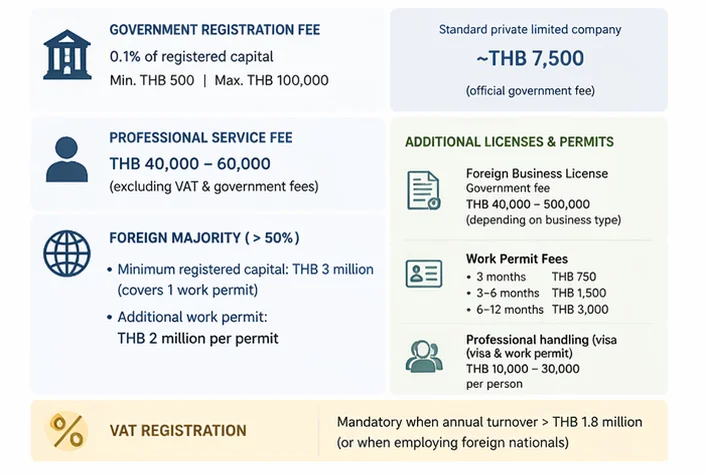
None of these are surprises if you plan for them. They become surprised when founders budget for “incorporation costs” as a single round number and discover it’s actually four or five separate expenses hitting at different times.
Before the company spends a baht on marketing or headcount, founders need to sort out their own financial position. Not in a vague “make sure you have savings” way — actually calculate it. Monthly living costs in Bangkok vary wildly depending on where you’re staying and how you’re living, but map out your actual number and figure out how many months you can cover without drawing anything from the business.
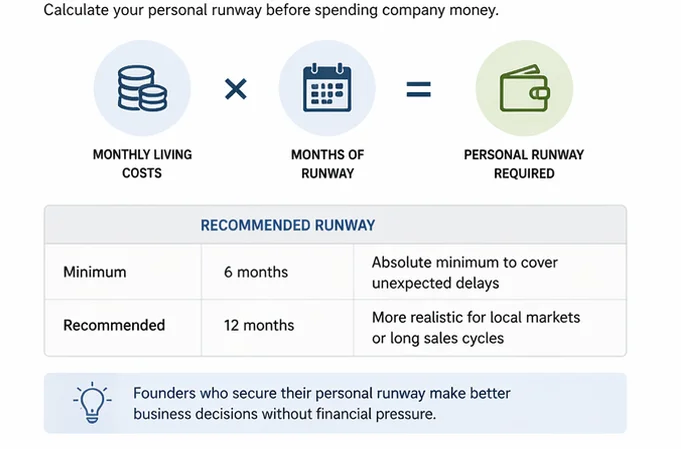
Six months is the floor. Twelve is more realistic. Early-stage cash flow in Thailand — depending on your sector and whether your clients are local or international — can be genuinely lumpy, and founders who underestimate this end up making business decisions under personal financial pressure. That’s where bad calls come from.
Thailand’s Board of Investment runs incentive programs that eligible startups in the technology and innovation sectors can access — matching investments up to 50 million Baht, corporate tax privileges, import duty exemptions, and faster visa processing for foreign professionals. The current scheme is real, and the upside is significant for qualifying businesses.
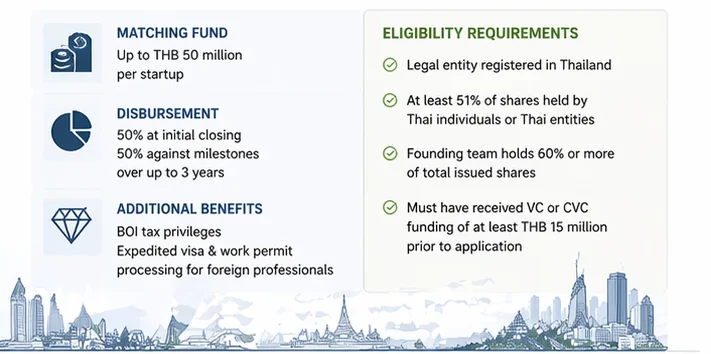
The catch is timing. Most founders discover BOI exists after they’ve already structured their company, at which point retrofitting eligibility is messy. This needs to go into your planning before incorporation, not after. It affects how you structure the entity, what sector classification you apply for, and how you position the business to qualify. Getting this right early can meaningfully extend your operating runway — the difference between twelve months of capital and eighteen is often just a decision made at the right stage.
Registration costs, personal runway, potential BOI support — these three things need to sit in the same spreadsheet before you commit to anything. Bangkok has real opportunities for the right businesses. The founders who struggle aren’t usually the ones with weaker ideas. They’re the ones who showed up with six weeks of capital and assumed the momentum would sort out the rest.
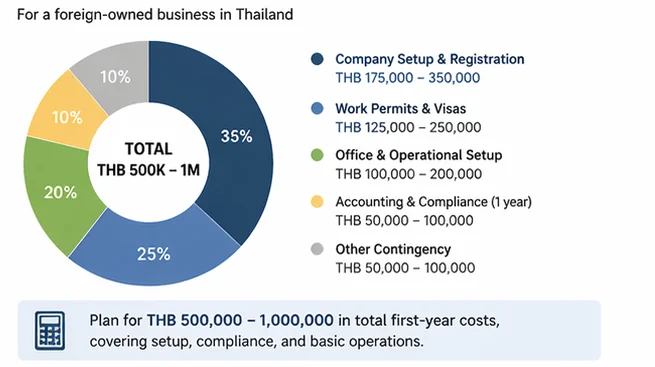
It doesn’t. The financial groundwork does.

Moving states costs most Australian households somewhere between $2,000 and $6,000 for the transport alone, before stamp duty, storage or any of...
Read moreDetails
Copyright © 2024 NoodleMagazine - All Right Reserved